Forest Hills Homes for Buyers Who Want More Space
May 14, 2026
May 14, 2026
Looking for more space in New York City often feels like a tradeoff. You want room to spread out, maybe a bit of outdoor space, and a neighborhood that feels more residential, but you do not want to give up convenience. If that sounds familiar, Forest Hills deserves a closer look. This guide breaks down what buyers should know about home types, pricing, and transit options so you can decide whether Forest Hills is the right fit for your next move. Let's dive in.
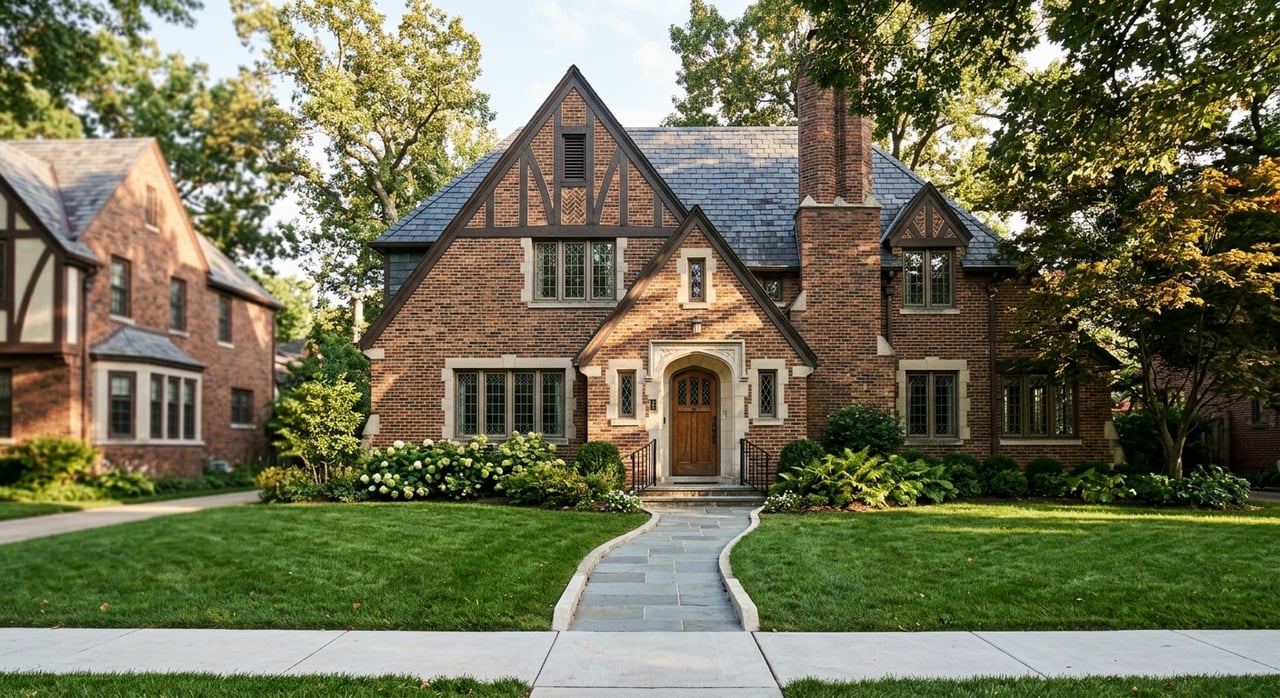
Forest Hills is best understood as a mixed-density Queens neighborhood, not a purely suburban pocket. According to Queens Community Board 6, the area includes both low- and high-density residential buildings, with rental, co-op, and condominium apartment complexes in the local housing mix. At the same time, city planning materials describe tree-lined streets, open space, and a notable presence of colonial- and Tudor-style homes.
That combination is a big part of the appeal. If you are moving from a tighter apartment search in Manhattan or Brooklyn, Forest Hills can offer a different balance of space, housing variety, and neighborhood feel without stepping away from the city.
One reason buyers look closely at Forest Hills is the range of property types. City planning materials for Forest Hills South describe the area as largely built around one- and two-family homes, with detached, semi-detached, row houses, and garden apartments all part of the neighborhood fabric.
That variety matters when your goal is more square footage or a different layout. In many NYC searches, you may feel pushed into a narrow set of options. In Forest Hills, the housing stock creates more ways to define what "more space" means for you.
If you are searching for a traditional home layout, Forest Hills offers a strong sense of community. Detached homes, semi-detached homes, and row houses are all present in the neighborhood, giving buyers a broader set of choices than a typical apartment-only search.
For some buyers, that means extra bedrooms or more flexible living space. For others, it means the possibility of some private outdoor area, depending on the property. The key point is not that every listing will feel suburban, but that the neighborhood includes housing forms that can support a roomier lifestyle.
Forest Hills is not only about houses. Queens Community Board 6 also points to a meaningful supply of rental, co-op, and condominium apartment complexes, so buyers who want more space do not have to limit themselves to single-family product.
That can be especially helpful if you want a more manageable purchase price or a lower-maintenance lifestyle. A larger apartment, condo, or co-op in Forest Hills may still deliver a more comfortable next step while keeping you in a transit-connected Queens neighborhood.
Forest Hills is better framed as a value-for-space market than a bargain market. The neighborhood can offer more room and more residential character, but it is not a low-cost area by Queens standards.
In 2025 Queens sales data, the median sale price in Forest Hills was $1,339,500 for one-family homes, $1,230,000 for two-family homes, and $1,600,000 for three-family homes. The two- and three-family categories had relatively few sales, which suggests those property types are less common.
If you are shopping for a house, the data show that Forest Hills commands a premium relative to many buyers' expectations for Queens. Still, for buyers focused on space, layout, and housing type, the neighborhood may offer a different kind of value than a denser core-city search.
If you are considering a condo or a similar apartment-style purchase, the broader Rego Park/Forest Hills numbers suggest a possible entry point below the price of detached houses. That can make Forest Hills appealing to buyers who want more breathing room without immediately jumping to a one-family-home budget.
For buyers coming from Manhattan, the comparison is often less about absolute affordability and more about what you get for the money. In 2025 Queens sales data, Forest Hills had a one-family median sale price of $1,339,500.
That is materially below many one-family medians in high-demand areas of Manhattan. The same 2025 city sales data shows Chelsea at $11.6 million, Greenwich Village-West at $9.6 million, Upper East Side (59-79) at $8.7125 million, and Upper West Side (59-79) at $7.915 million.
That does not make Forest Hills inexpensive. What it does show is that buyers seeking a house or a more residential scale may find a stronger space-to-price tradeoff here than in core Manhattan markets.
Part of the Forest Hills appeal comes from the area's physical character. City planning materials describe Forest Hills Gardens and nearby residential blocks as maintaining a planned-community feel, with tree-lined streets, open space, and a long-standing character of one- and two-family homes.
That environment can shape how the neighborhood feels day to day. Even though Forest Hills includes apartment buildings and mixed-density development, many blocks still offer a more open, residential setting than buyers expect in New York City.
This is where Forest Hills often resonates with move-up buyers. You are still in Queens, with established transit options and a true city setting, but some parts of the neighborhood offer a calmer visual rhythm through lower-scale homes, garden apartments, and greener streetscapes.
For buyers who feel squeezed by tighter layouts or denser blocks elsewhere, that difference can be significant. It is not just about square footage. It is also about how your surroundings support the lifestyle you want.
More space only works if your daily routine still feels manageable. Forest Hills remains attractive in part because transit access is strong.
The main subway station, Forest Hills-71 Av, is served by the E, F, M, and R trains and is ADA accessible. MTA line maps also show direct R train service to places including Times Sq-42 St, 34 St-Herald Sq, Whitehall St/South Ferry, and Bay Ridge-95 St.
The Forest Hills LIRR station is also accessible and connects to Forest Hills-71 Av as well as the Q23, Q60, Q64, and Q74 buses. For many buyers, that means you can weigh both subway service and commuter rail based on where you work, where you travel most, and what kind of commute feels best.
In some neighborhoods, getting more space can mean giving up too much convenience. Forest Hills stands out because buyers may be able to enjoy a more residential environment while still keeping multiple transit options within reach.
That is a practical advantage, especially if your schedule changes day to day. Whether you need subway, rail, or bus access, the neighborhood offers flexibility that supports a wider range of routines.
If Forest Hills is on your radar, it helps to start with a clear definition of what "more space" means to you. For some buyers, that means moving from a smaller apartment into a larger co-op or condo. For others, it means targeting a semi-detached, detached, or row house with a different layout and potentially some outdoor space.
It also helps to stay realistic about pricing. The market can offer better value for space than some core Manhattan areas, but it still requires a thoughtful budget and a strong understanding of which property type best matches your goals.
As you narrow your options, ask yourself:
These questions can help you search more efficiently and avoid chasing listings that do not truly fit your next step.
Forest Hills is not a simple affordability play. Its real strength is the combination of housing variety, more residential character, and strong transit access.
If you are looking for more room without losing your connection to the city, it is one of the Queens neighborhoods that deserves serious attention. The market includes everything from apartment complexes to one- and two-family homes, which gives you more ways to find a property that fits how you actually want to live.
If you are thinking about buying in Queens and want clear, data-driven guidance on how Forest Hills fits your budget and goals, Darrell Williams can help you evaluate your options and move forward with confidence.

Everything You Need to Know About This Flatiron Luxury Condo Conversion


10 Frauds & Red Flags

Can it be solved?

Why It Could Backfire
Hells Kitchen, Manhattan
Darrell Williams works in Manhattan, Brooklyn, Queens, and the Bronx. His expertise includes new development sales/leasing projects, investment sales, and 1st time home buyers. Whether you're purchasing or selling, he'll keep you feeling comfortable and confident from start to end.

Darrell Williams
Compass Headquarters 110 5th Ave 3rd floor New York, NY 10011