Preparing Your Fort Greene Brownstone To Sell
June 4, 2026
June 4, 2026
Selling a Fort Greene brownstone is not like selling just any home in Brooklyn. Buyers here are often weighing historic character, condition, and day-one livability all at once. If you want to attract strong interest and avoid preventable delays, your prep needs to be thoughtful, realistic, and timed well. Let’s dive in.
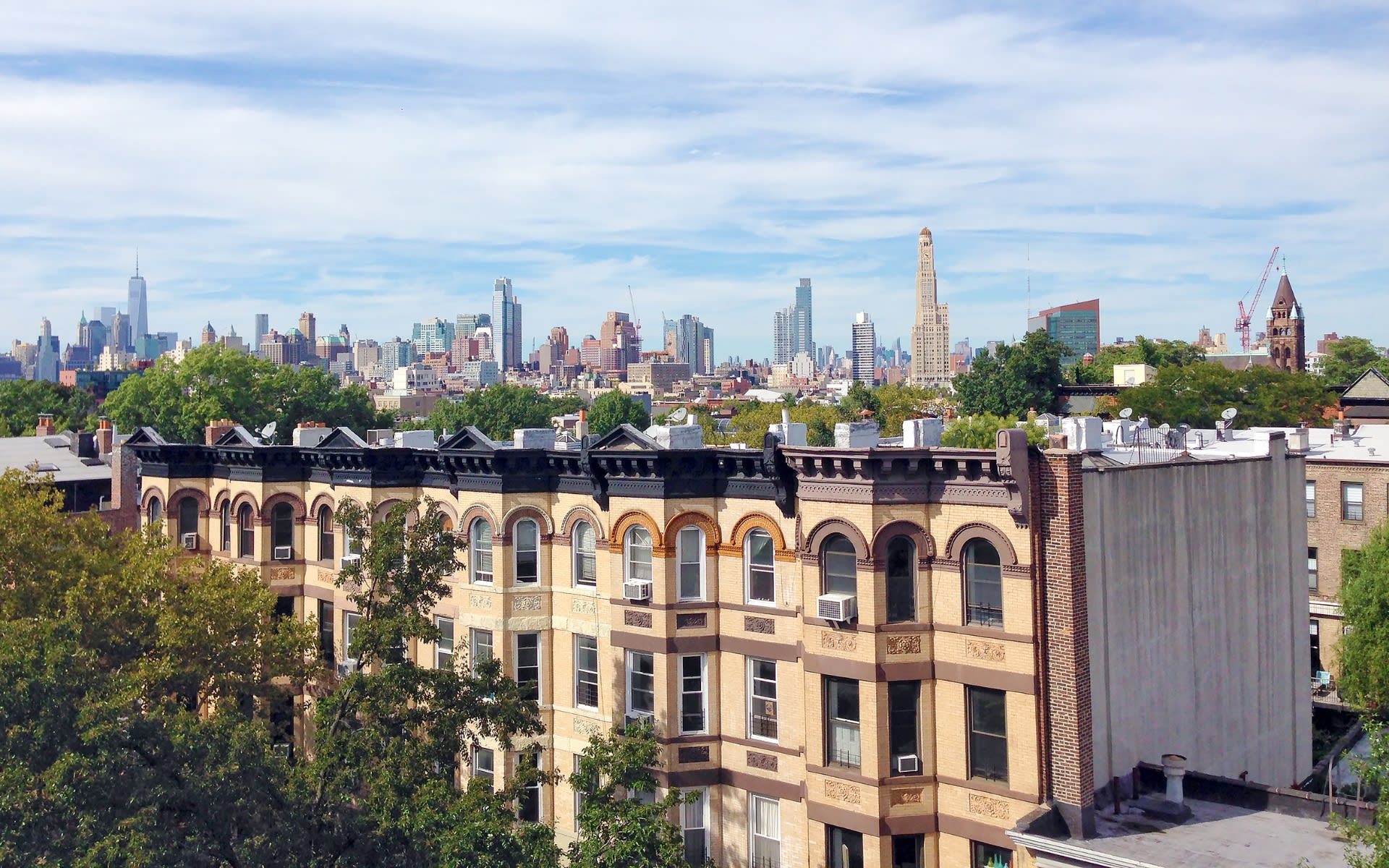
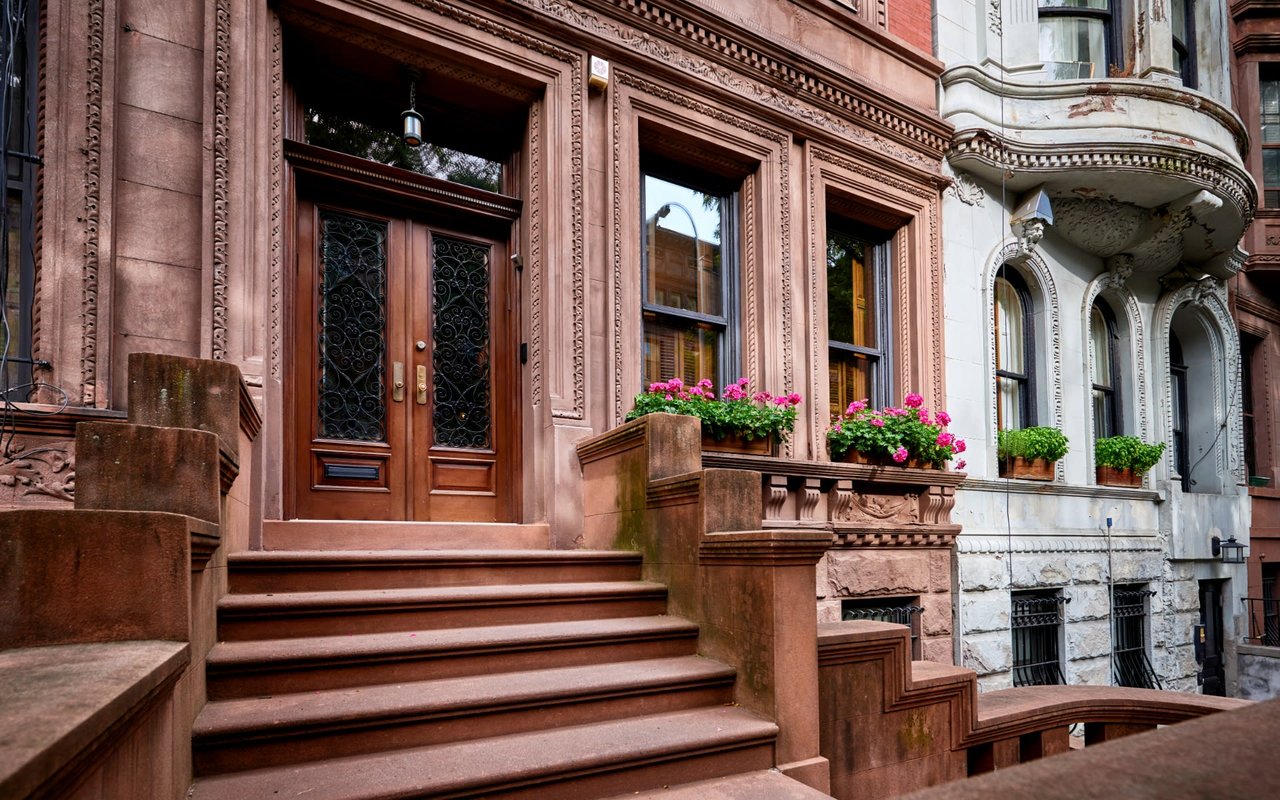
Fort Greene sits within a high-demand Brooklyn market, and much of the neighborhood is inside the Fort Greene Historic District. That means your brownstone may carry both added appeal and added rules, especially when it comes to exterior changes visible from the street. For sellers, that mix makes preparation more strategic than cosmetic.
Current neighborhood data also points to strong demand. StreetEasy reports that annual search interest in Fort Greene is up 43.0%, with a median asking price of $1.863M and a median asking rent of $4,500, both about 13% higher year over year. It also notes that brownstones in the neighborhood can ask upward of $4M.
That does not mean every brownstone should be priced on charm alone. Buyers are still comparing your original details, renovation quality, and Maintenance level against other options. If your home has deferred repairs or dated finishes, those factors need to be reflected in how you prepare and position the listing.
Before you think about styling, photos, or open houses, focus on the home’s actual condition. In a historic brownstone, buyers tend to notice both the beauty and the burden. A stunning parlor floor can make a great first impression, but worn finishes, visible patchwork, or signs of delayed upkeep can quickly change the conversation.
A practical pre-listing walkthrough should help you sort items into two buckets: necessary repairs and optional improvements. The goal is not to over-renovate right before selling. The goal is to remove distractions so buyers can appreciate the home’s scale, layout, and architectural detail.
In Fort Greene, that usually means being especially attentive to older materials and systems. Even small cosmetic work should be approached carefully in older homes, particularly if the property was built before 1978.
If your brownstone is in the Fort Greene Historic District, exterior work may require review by the Landmarks Preservation Commission. According to the LPC, most changes to front and rear facades in historic districts need review. By contrast, ordinary repairs such as replacing broken window glass, repainting the exterior the same color, or caulking around windows and doors generally do not.
This matters because timing can shift quickly once permits or approvals come into play. LPC states that a Certificate of Appropriateness is used when work affects protected architectural features or does not conform to LPC rules. That process can take about three months, and when full Commission review is required, it can take up to 90 working days after the application is complete.
If you hope to list soon, last-minute exterior upgrades may do more harm than good. In many cases, it is smarter to complete minor allowable repairs, skip major facade changes, and build your pricing and marketing strategy around the home’s current condition.
A smooth sale often starts well before the listing goes live. In New York, the updated Property Condition Disclosure Statement is required beginning July 1, 2025, according to the Department of State. The form also makes clear that it is not a warranty and that buyers should still do their own inspections.
For Fort Greene brownstones, lead-based paint disclosures are also important. The EPA says the Lead-Based Paint Disclosure Rule applies to most housing built before 1978, requires sellers and agents to disclose known lead-based paint hazards before contract signing, and gives buyers a 10-day window to conduct a lead inspection or risk assessment.
This is one reason pre-listing prep should be organized rather than rushed. Gathering building information, repair history, and required disclosure materials early can help you avoid scrambling once a buyer shows serious interest.
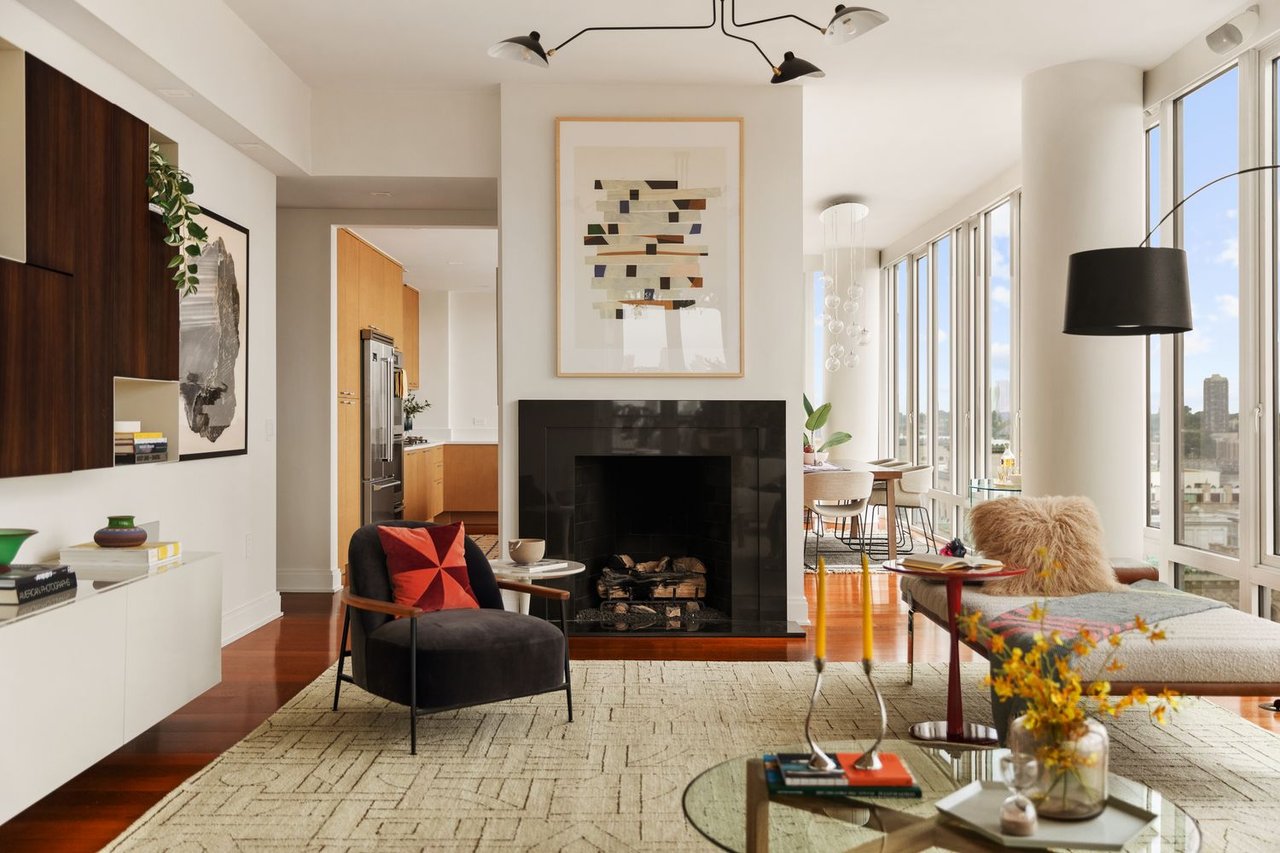
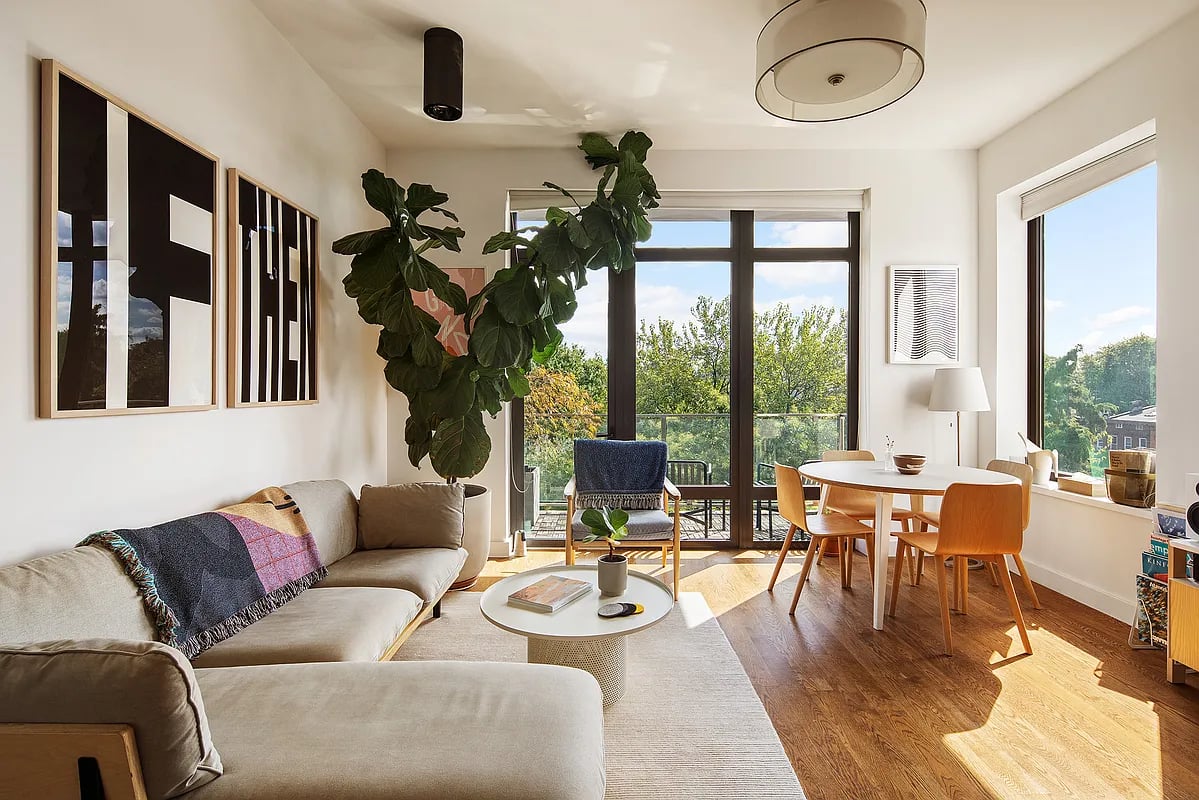
Staging can be especially effective in a brownstone because these homes often have dramatic proportions, distinct floor-through spaces, and memorable original details. When staged well, those features feel intentional and livable. When staged poorly, rooms can feel crowded, dark, or overly personalized.
NAR’s 2025 staging research found that 83% of buyers’ agents said staging makes it easier for buyers to visualize a property as their future home. It also found that 29% of agents said staging increased the dollar value offered by 1% to 10%, while 49% of sellers’ agents said staging reduced time on market.
The same research identifies the living room, primary bedroom, and kitchen as the most important rooms to stage. For many Fort Greene brownstones, you should also pay close attention to the dining room or parlor floor gathering space, since that is often where the home’s scale and character are most obvious.
Fort Greene brownstones are known for wide, deep layouts, grand parlor floors, and high ceilings. That means staging should support the architecture rather than compete with it. Buyers should notice the room proportions, natural light, and flow from one space to the next.
A good rule is to simplify rather than add. Remove bulky furniture, overly niche decor, and anything that interrupts sight lines. A historic home usually shows best when it feels preserved, clean, and easy to understand.
This does not mean stripping away all personality. It means creating a calm, balanced presentation that helps buyers connect the home’s original bones with modern-day use.
Most buyers will meet your brownstone online before they ever step inside. That makes photography one of the most important parts of your launch. NAR says 81% of buyers rated listing photos as the most useful feature in their online search.
That same body of research also points to the value of videos and virtual tours. Buyers’ agents rated photos, physical staging, videos, and virtual tours as important listing tools, making visual preparation a key part of your sales strategy.
Because first impressions happen fast, the opening image matters a lot. A strong first photo can encourage buyers to keep exploring the listing, while a weak one can cut interest before your home gets a fair look.
In a market where presentation matters, it can be tempting to push the visuals too far. That is a mistake. New York’s Department of State warned in November 2025 that AI-generated listing images can be misleading and may raise false advertising concerns.
The simplest standard is this: your marketing should be polished, but truthful. Use strong photography and video to show the home clearly, but do not let the presentation promise a condition the property does not actually deliver.
That approach protects buyer trust and strengthens your negotiating position. Serious buyers tend to respond better when the in-person experience matches what they saw online.
If you want to list in a strong window, start earlier than you think. StreetEasy’s 2026 seasonal analysis finds that buyers see the most homes for sale in May, after inventory builds through early spring. Its prior New York City seller timing analysis also found that March is a particularly strong month for sellers, with listings more likely to go under contract earlier and a higher probability of selling above asking price than comparable homes listed at other times of year.
The takeaway is simple: do not wait until spring to begin preparing. If you want your brownstone to hit the market when buyer activity is strong, the repairs, staging, photography, and planning should already be done.
For many sellers, that means using winter to make decisions, coordinate vendors, and get the house market-ready. By the time the seasonal wave builds, you want to be launching, not still choosing paint colors.
Open houses still play an important role in marketing a home. NAR notes that they remain an important part of the real estate industry and can help buyers better understand the property and its broader context.
For a Fort Greene brownstone, the open-house experience should feel polished, welcoming, and easy to navigate. Buyers should be able to understand the home’s layout, appreciate its historic details, and imagine how the spaces function day to day.
That usually means clean surfaces, clear room purpose, good light, and a calm overall presentation. The goal is to make the home feel cared for and approachable, not overproduced.
If you are preparing your Fort Greene brownstone to sell, focus on the steps that improve clarity and reduce friction:
In a neighborhood like Fort Greene, preparation is part of pricing strategy. The better your home’s condition, presentation, and timing align, the easier it is for buyers to understand the value.
A Fort Greene brownstone can attract serious attention, but the best outcomes usually come from disciplined prep, not guesswork. If you want a plan that balances historic character, market timing, and clean execution, working with a broker who understands both the numbers and the details can make the process much smoother.
If you’re getting ready to sell and want thoughtful guidance on pricing, prep, and marketing, connect with Darrell Williams for a calm, strategic consultation.




Darrell Williams works in Manhattan, Brooklyn, Queens, and the Bronx. His expertise includes new development sales/leasing projects, investment sales, and 1st time home buyers. Whether you're purchasing or selling, he'll keep you feeling comfortable and confident from start to end.
Darrell Williams
Compass Headquarters 110 5th Ave 3rd floor New York, NY 10011