
Harlem Real Estate Snapshot For Buyers And Sellers
June 25, 2026
June 25, 2026
If you are thinking about buying or selling in Harlem, one fact stands out right away: this is not a one-note Manhattan market. Harlem offers historic brownstones, prewar apartments, rehabbed condos and Co-ops, and newer ownership opportunities, all within a neighborhood that has deep cultural roots and steady housing demand. That mix can create real opportunity, but it also means the details matter. Let's take a closer look at what Harlem's current real estate snapshot means for you.
Harlem is best understood as a core Upper Manhattan market with its own strong identity. Manhattan Community Board 10, which covers Central Harlem, describes the district as part of Upper Manhattan and notes that it spans about 1.5 square miles and has a population of roughly 107,000.
For buyers and sellers, that matters because Harlem is not a fringe market. It sits directly above Central Park and combines busy commercial corridors with quieter residential streets. It also tends to offer lower price points than many prime Manhattan neighborhoods, while still benefiting from Manhattan location and demand.
StreetEasy's current neighborhood snapshot places Harlem's median sale price at $750,000. That is notably below the roughly $1.2 million median sale price shown for both the Upper East Side and Upper West Side, while still above Washington Heights at about $507,000.
In practical terms, Harlem often sits in a middle position. You may find more accessible entry points than in much of central Manhattan, but you should still expect meaningful variation depending on block, building type, and condition.
One of Harlem's defining strengths is its range of housing stock. Planning materials describing nearby West Harlem point to a mix of brownstones or rowhouses, tenements, tower-in-the-park buildings, and pre-World War II elevator buildings. That is a useful guide for the broader Harlem landscape as well.
Central Harlem materials also reference brownstones, the rehabilitation of apartment buildings into condos and co-ops, and newer homeownership construction. So if you are shopping here, you are not looking at a single product type. You are looking at a neighborhood where historic architecture and newer inventory often coexist.
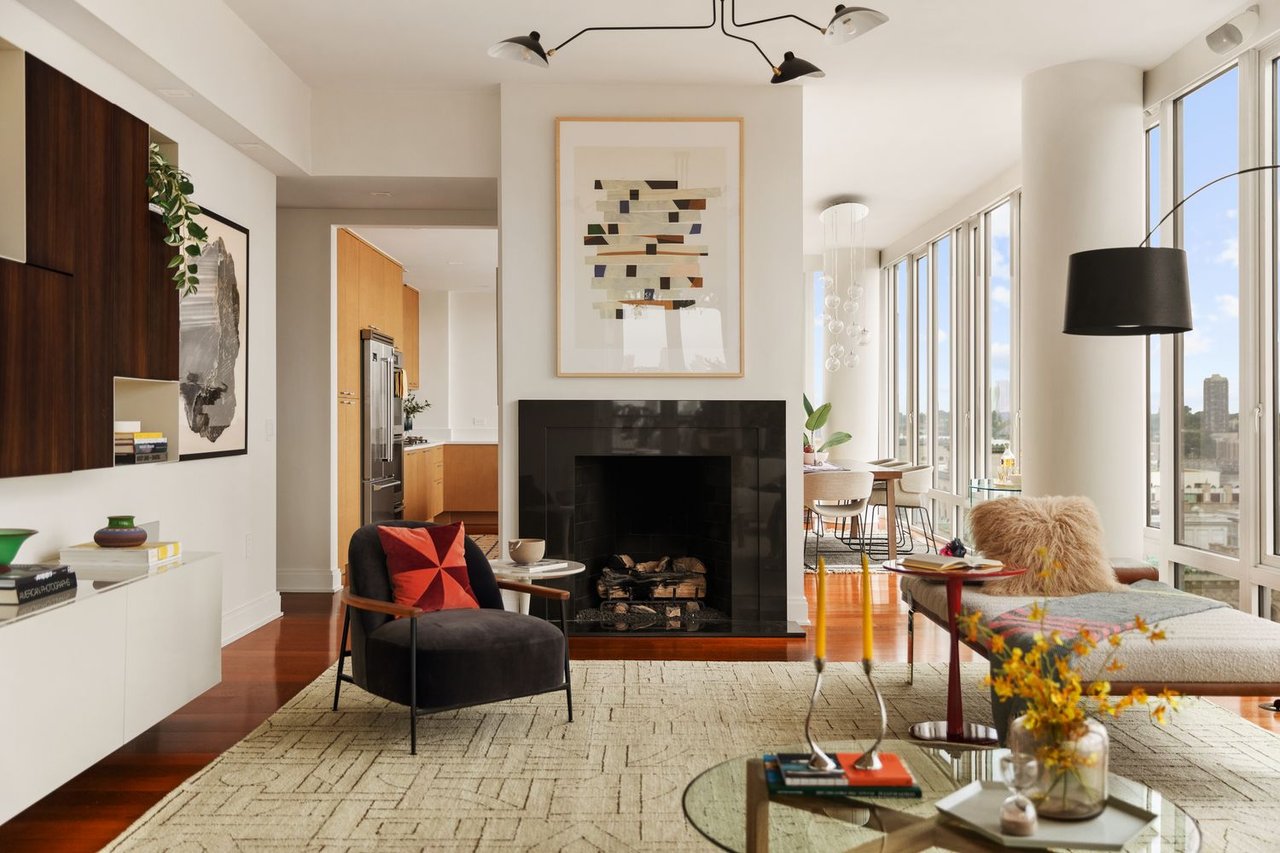
For buyers, this can be a major advantage. You may see anything from a classic townhouse apartment with original details to a newer condo along a larger corridor. The trade-off is that condition can vary widely, so comparing listings requires more than just looking at price per square foot.
For sellers, that same variety means presentation and positioning are especially important. A renovated brownstone unit, a co-op in a prewar building, and a newer condo may all attract different buyers and compete in different ways.
Harlem continues to evolve, but growth has been selective rather than uniform. According to the Furman Center, Central Harlem added 4,576 units in buildings with four or more units between 2010 and 2025. Of those new units, 57% were market-rate, and 33% were income-targeted.
That tells you two things. First, Harlem has seen real residential growth over the past decade and a half. Second, the neighborhood still reflects a balance between legacy housing and targeted new construction, rather than a complete transformation into a new-build market.
The same Furman data notes that in 2025, Central Harlem had 0 units authorized by new residential building permits, while 158 residential units received certificates of occupancy. That suggests that some previously planned projects are still delivering homes, even if the immediate pipeline is not moving at the same pace.
A major example is One45, approved by the City Council in June 2025 and expected to deliver 1,000 homes, including 338 affordable units. For buyers and sellers alike, this signals continued interest in redevelopment without changing the fact that Harlem remains a market largely shaped by its existing housing stock.
If you are buying in Harlem, affordability relative to other Manhattan neighborhoods is part of the appeal. But affordability does not mean simplicity. Harlem's mix of housing types means your search may include co-ops, condos, and townhouse-style opportunities, each with different costs, rules, and decision points.
You should also be prepared for variation in the condition of apartments. Some homes may show strong historic character but need updates, while others may be move-in ready or recently renovated. That range can create opportunities for buyers who are flexible and willing to weigh location, building type, and renovation needs together.
Another important factor is pace. StreetEasy reports a median of 58 days on market for Harlem sales. That does not mean every property moves slowly or quickly, but it does suggest a market where pricing and property quality still have a strong effect on timing.
For first-time NYC buyers in particular, Harlem can be attractive because it offers access to Manhattan with a broader price range than many nearby neighborhoods. The key is understanding exactly what you are buying, how the building operates, and how that specific home fits your long-term goals.
If you are selling in Harlem, your biggest advantage may be the neighborhood's identity. Harlem's historic architecture, cultural relevance, park access, and Manhattan address all support buyer interest. But buyers in this market are also paying close attention to building condition, renovation level, and exact location.
That means pricing strategy matters. A seller cannot rely on Harlem's overall reputation alone because value can shift sharply from one submarket or building style to another. A well-presented condo on a major corridor may appeal differently than a co-op on a quieter side street or a townhouse-style property with original details.
Marketing also matters more in a varied housing market. When inventory is diverse, buyers need a clear reason to understand why your home stands out. Strong visuals, thoughtful positioning, and a pricing plan grounded in actual neighborhood competition can make a meaningful difference.
Sellers should also keep in mind that Harlem's relative affordability within Manhattan can bring in a wide buyer pool. That can be helpful, but it also means your home may be compared against multiple property types and nearby neighborhoods at the same time.
Harlem's demand story is not based solely on housing. The neighborhood's cultural institutions play a major role in keeping it visible and desirable within the larger Manhattan market.
The Apollo Theater describes itself as a Harlem-rooted cultural institution centered on Black art, creativity, and community. The Schomburg Center describes itself as a focal point of Harlem's cultural life and a leading research library for African American and African Diasporic studies.
These institutions help sustain Harlem's identity in a way few neighborhoods can match, which can enhance the sense of place for buyers. For sellers, it reinforces why Harlem often attracts people looking for both location and neighborhood character.
Commercial and lifestyle activity also supports demand. The 125th Street Business Improvement District says its mission is to revitalize 125th Street as an art, culture, and entertainment destination while improving the streetscape. Dining activity across Frederick Douglass Boulevard, 125th Street, and surrounding areas adds to Harlem's day-to-day appeal.
Green space remains a major part of Harlem's draw. Morningside Park, designated by the National Park Service as an Olmsted-designed park managed by NYC Parks, serves as a strong landscape anchor. Marcus Garvey Park adds recreation programming, an amphitheater, and a pool, according to NYC Parks.
These parks support lifestyle value in a dense urban market. They also help explain why buyers often look closely at micro-location within Harlem. A home's position relative to parks, major avenues, and quieter residential blocks can influence both buyer interest and pricing.
Harlem also benefits from its connection to neighboring institutional centers. Columbia notes that nearby Morningside Heights borders Harlem and includes Columbia University, Barnard College, and Teachers College. That adjacency helps sustain a steady pool of demand along Harlem's southern and western edges.
Harlem remains one of Manhattan's more layered real estate markets. It offers a median sale price below that of many prime Manhattan neighborhoods, but above that of some more budget-oriented Upper Manhattan areas. It also combines historic housing stock, selective new development, and strong cultural identity.
If you are buying, the opportunity is often in Harlem's range. You may find more options across price points and building styles than in other parts of Manhattan, but you will need to evaluate each property carefully. Building type, renovation level, and location all matter.
If you are selling, the opportunity is in telling a clear story about your home. Harlem's demand drivers are real, but buyers still compare closely and expect pricing to reflect condition and competition. The best results usually come from a strategy that combines data, presentation, and calm execution.
Whether you are making your first purchase, preparing to list, or trying to understand how Harlem fits into the larger Manhattan market, working with a broker who can translate the numbers into practical guidance can make the process much clearer. If you want a thoughtful, data-driven approach to your next move, connect with Darrell Williams.




Darrell Williams works in Manhattan, Brooklyn, Queens, and the Bronx. His expertise includes new development sales/leasing projects, investment sales, and 1st time home buyers. Whether you're purchasing or selling, he'll keep you feeling comfortable and confident from start to end.
Darrell Williams
Compass Headquarters 110 5th Ave 3rd floor New York, NY 10011