Wall Street to Williamsburg
Darrell Williams September 8, 2025
Darrell Williams September 8, 2025
Five years ago, the New York buyer landscape was dominated by Wall Street professionals, hedge fund executives, and luxury-seeking families focused on Midtown penthouses, prewar Upper East Side co-ops, and Financial District high-rises.
Today, their gaze has shifted. New focus areas like Williamsburg, a neighborhood once known for its gritty, creative edge, are now hubs of affluent demand, buoyed by bold new developments like Domino Square and luxury condominiums along the waterfront. In this immersive trend piece, we'll explore how shifting demographics, evolving buyer priorities, and major projects are redefining the city’s residential map.
Williamsburg has undergone a dramatic transformation. In 2000, the largest income bracket among residents was about 21 percent, who earned under $20,000 per year. Fast forward to 2023, and the dominant segment (34 percent of households) earns between $100,001 and $250,000. That’s a stark shift in economic profile over two decades. (The Real Deal)
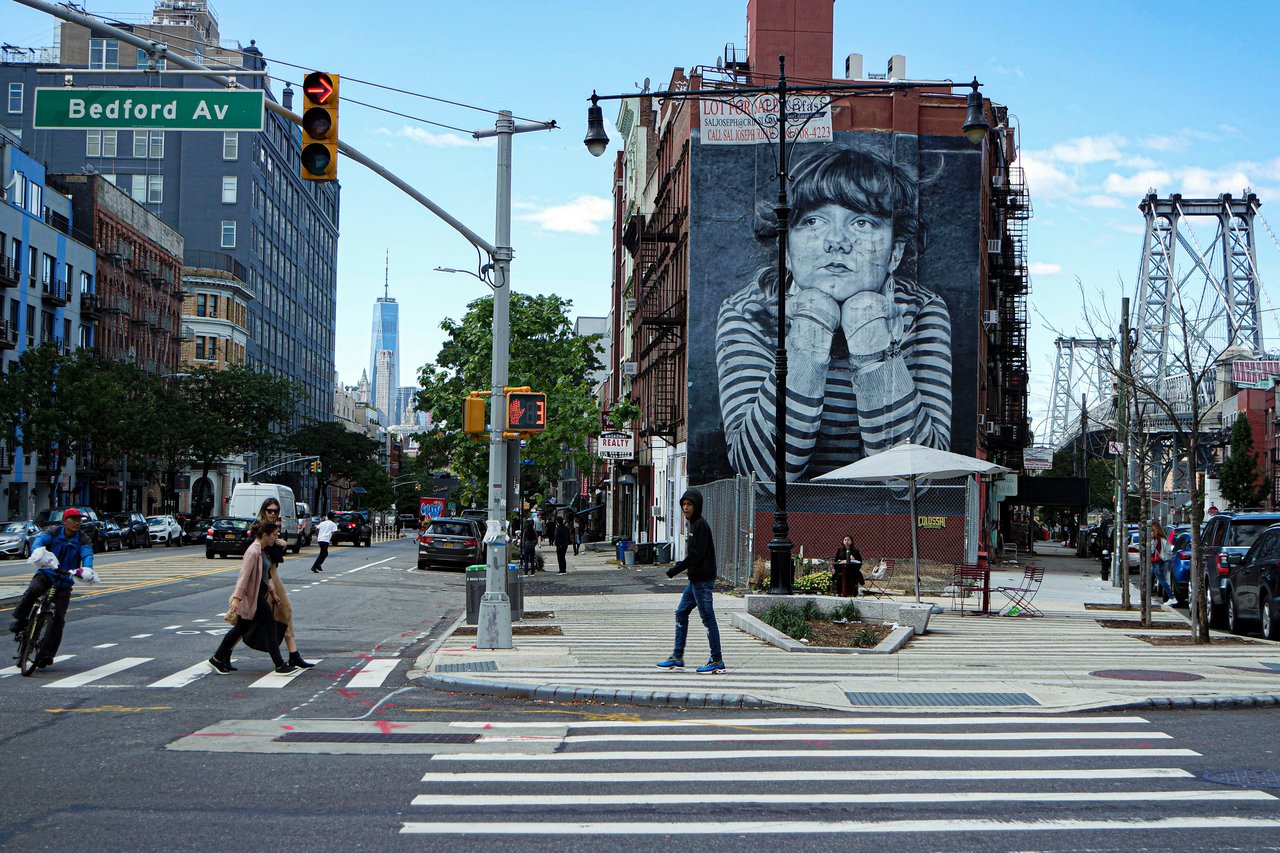
Once a haven for artists, designers, and musicians seeking out affordable space, Williamsburg’s narrative has pivoted from indie creativity to upscale consumption. Retail powerhouses like Lululemon, Apple, Sephora, and Glossier have moved in, capturing a market that reflects their Fifth Avenue shoppers, young, affluent, and digitally native. (The Real Deal)
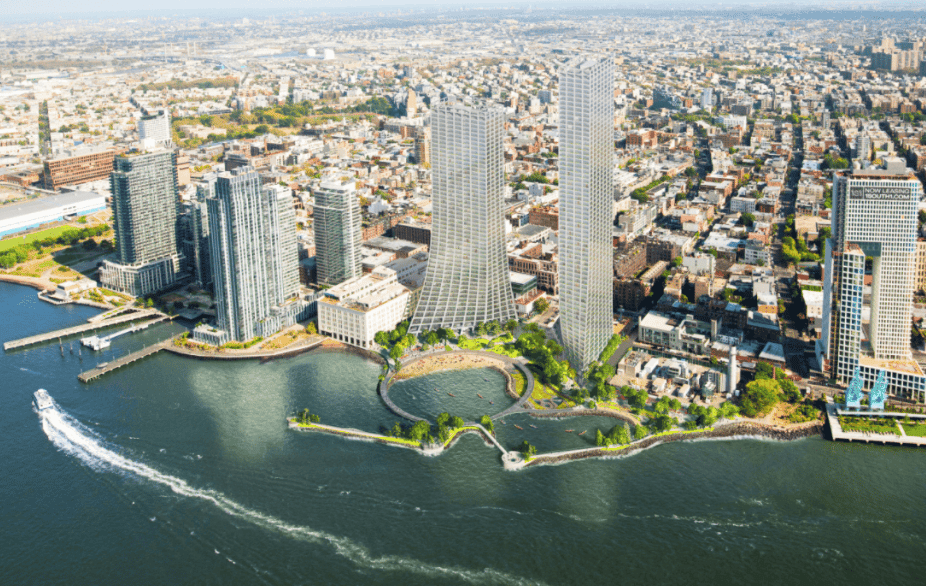
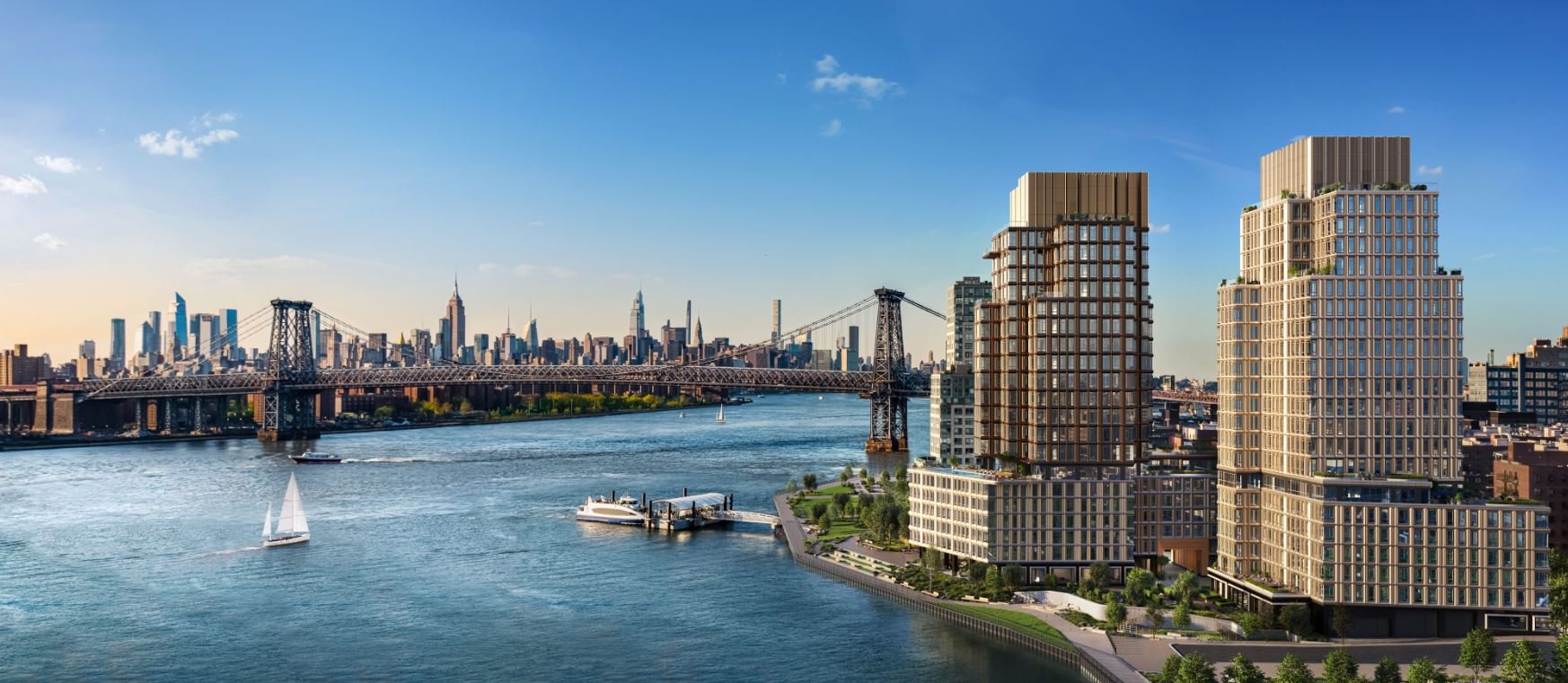
Key to Williamsburg’s evolution has been the massive Domino Sugar redevelopment by Two Trees: a 2,800-unit megaproject transforming the waterfront into a residential and commercial micro-district. According to brokers, "Domino created a whole new neighborhood within Williamsburg." (The Real Deal)
This has spurred an exciting community infrastructure, including:
Retail: 100,000 square feet of ground-floor space filled with restaurants, cafes, boutique shops, and fitness studios.
Office: The Refinery at Domino—a sprawling 460,000-square-foot workspace.
Amenities: Waterfront promenades and visual connectivity to Manhattan.
Two Trees is also developing River Ring, bringing another 1,000 residential units (rentals and condos) to the waterfront. Meanwhile, Naftali Group’s Williamsburg Wharf at 470 Kent Avenue—an 850-unit luxury condo block—adds more high-end living to the mix.
Market Dynamics: Buyers Paying Top Dollar
Williamsburg buyers aren't just middle-class; their wallets are robust.
Meanwhile, North Williamsburg’s median home sale price rose 25 percent from July 2024 to July 2025, with median rents up 6.5 percent, clear evidence of a surging market.
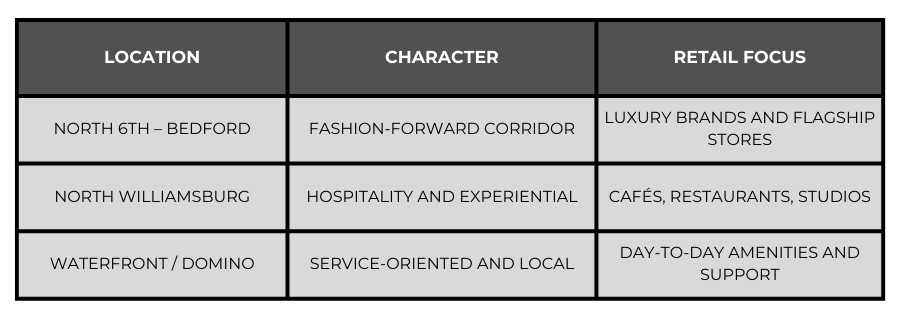
Over $372 million worth of retail properties along North 6th Street changed hands in just one year. Institutional players such as Acadia Realty Trust, Empire State Realty Trust, and City Urban Realty have become dominant buyers, snatching up storefronts at prices as high as $6,000 per square foot. That rivals some of Manhattan’s most coveted retail corridors.
Relative to Manhattan, Williamsburg offers more space for the price, where you're in easy reach of the city but not in it, and where what used to be inexpensive brownstone rentals are now coveted condos.
Williamsburg delivers creative energy, nightlife, culture, and convenience—all on the L train or ferry ride away. Buyers drawn to Williamsburg want character and quality without sacrificing access. It’s become the epitome of “cool, connected comfort.
From high condo prices to institutional acquisition trends, the market clearly signals long-term upside. Buyers are betting on Williamsburg retaining, if not enhancing, its premier status as new generations settle and spend.
Domino and River Ring: Deliveries in the next several years will add thousands of units, trending toward amenity-rich, communal living.
Williamsburg Wharf: As sales mature, buyer behavior and price points here will be a telling proxy for neighborhood trajectory.
Retail Evolution: As smaller service shops fill in the waterfront, expect the retail base to broaden—beyond experiential luxury to neighborhood needs.
Will Williamsburg stabilize as a high-end competitor to Manhattan, or cool and expensive—and then plateau?
Can institutional retail appetite be sustained? Or will overbuilt commercial spaces eventually find resistance?
What’s the enduring draw for buyers—will it stay anchored in lifestyle, or shift to sheer value as supply increases?




Darrell Williams works in Manhattan, Brooklyn, Queens, and the Bronx. His expertise includes new development sales/leasing projects, investment sales, and 1st time home buyers. Whether you're purchasing or selling, he'll keep you feeling comfortable and confident from start to end.
Darrell Williams
Compass Headquarters 110 5th Ave 3rd floor New York, NY 10011