Vanderbilt University NYC Campus
January 31, 2026
January 31, 2026
If you haven't heard, Tennessee's well-known Vanderbilt University is opening a campus in the Chelsea neighborhood of New York City.
Real estate values in New York City don't move randomly. They rise when long-term institutions, not trends, commit capital, people, and permanence to a neighborhood.
That's why the announcement that Vanderbilt University will open a New York City campus in Fall 2026 has key factors:
For buyers, this signals future demand.
For sellers, it strengthens pricing narratives.
For Chelsea, it adds another layer of institutional prestige to an already supply-constrained market
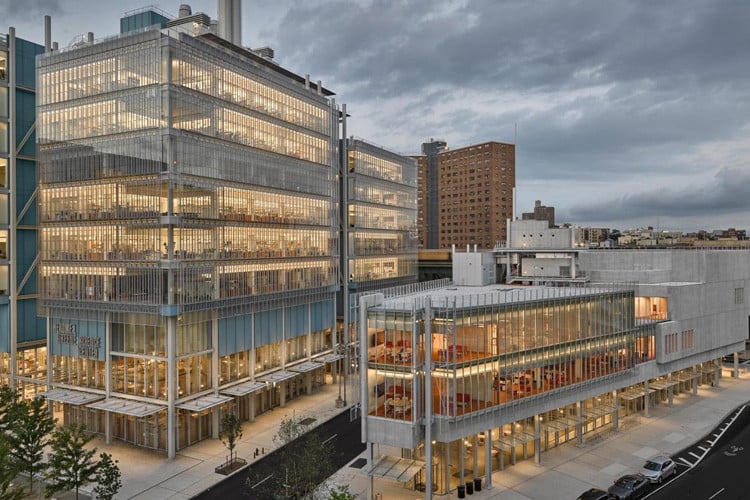
When Columbia University announced its Manhattanville campus expansion:
Observed outcomes (2008–2016):
Condo prices rose 18–25% faster than comparable Upper Manhattan neighborhoods
Rental demand increased before the campus opened
Institutional investors entered early, compressing cap rates
Over the decades, NYU has turned Greenwich Village into one of NYC's most expensive residential markets.
Consistent patterns include:
Premiums for walkable 1–2BR units
Lower vacancy rates
Faster post-downturn rent recovery
Foreign investment
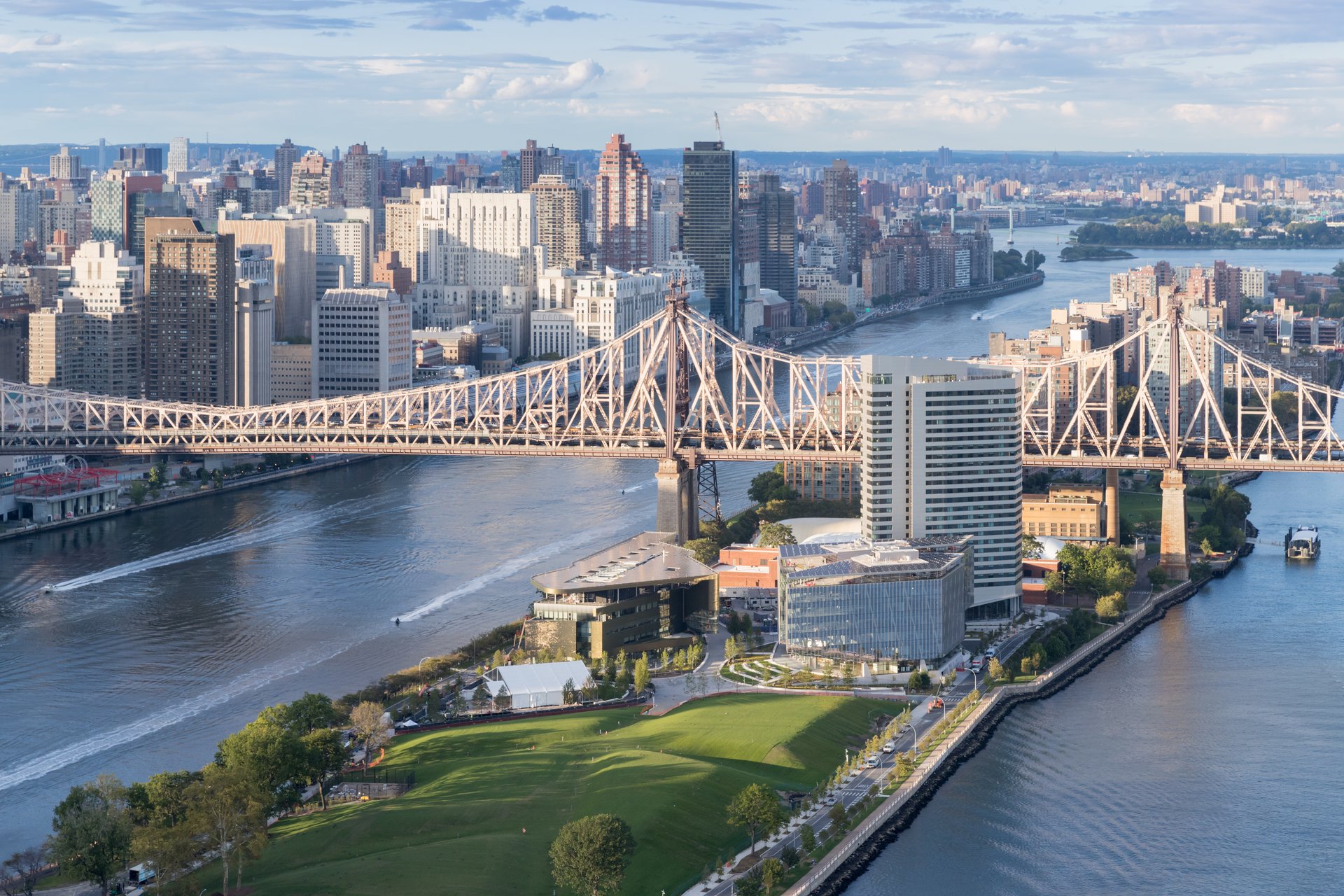
Even in a previously overlooked location, Cornell Tech produced:
20%+ condo price growth post-announcement
Improved investor underwriting assumptions
Long-term rental stabilization
If a campus could move its pricing to Roosevelt Island, its impact in Chelsea, already a top-tier neighborhood, should not be underestimated.
Vanderbilt's new NYC campus in Chelsea is expected to act as a powerful, permanent anchor institution that boosts nearby real estate values, much like Columbia's Manhattanville expansion, NYU in Greenwich Village, and Cornell Tech on Roosevelt Island have done in their areas.
Major universities rarely move; they tend to operate on very long time horizons, and attract high-earning faculty, graduate and executive students, and visitors, all of which create stable, recurring housing demand.
Research shows homes near large campuses often sell at a 5–15% premium, especially within a half-mile and in dense, supply-constrained cities, which fits Chelsea.
Vanderbilt's presence should increase demand without adding much new housing supply, raising prices and rents, stabilizing rent rolls, and giving appraisers, lenders, and investors more confidence in long-term performance.
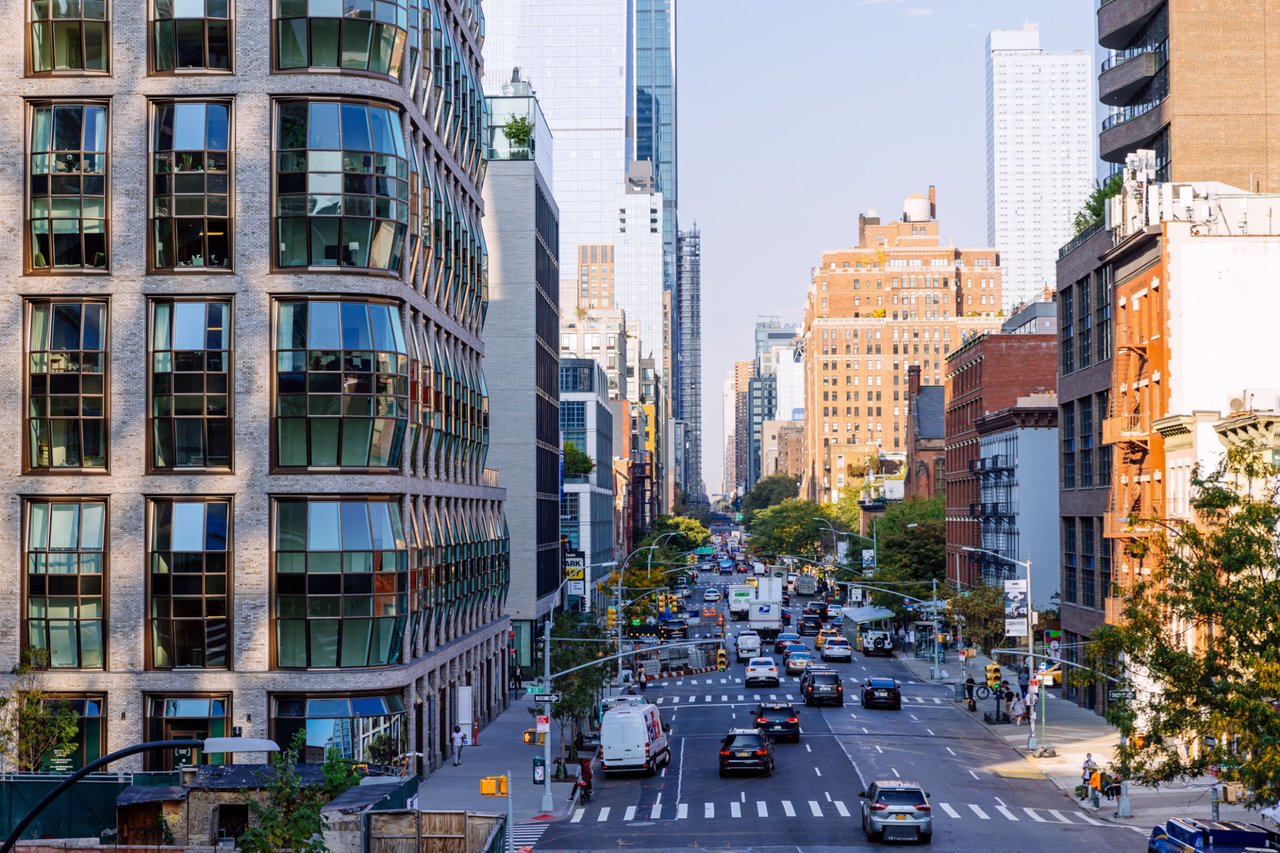
The strongest upside is expected within a 5–10-minute walk, particularly in West Chelsea, elevator/doorman buildings, and flexible 1–2 bedroom units suited to this demographic.
For sellers, the campus strengthens pricing narratives and supports higher asks; for buyers, it offers a chance to get in before the full impact is priced in, reinforcing Chelsea's already strong fundamentals rather than transforming the neighborhood overnight.
Not all blocks benefit equally. NYC is highly localized. The properties that could benefit the most are:
5–10 minute walking radius
West Chelsea near the High Line
Elevator and doorman buildings
Units with flexible layouts (home office potential)
Less impact:
Nightlife-heavy blocks
Walk-ups far from transit
Buildings with functional obsolescence
In the end, Vanderbilt's move into Chelsea is less a short-term headline and more a long-term recalibration of the neighborhood's value story. It reinforces Chelsea as a place where world-class culture, education, and housing intersect and where demand is likely to deepen over the coming decade. For both buyers and sellers, the key is to think like the institutions themselves: long-term, data-driven, and focused on enduring fundamentals rather than temporary cycles. Those who position strategically now stand to benefit most as Vanderbilt's campus shifts from announcement to reality and the market gradually reprices the neighborhood around it.




Darrell Williams works in Manhattan, Brooklyn, Queens, and the Bronx. His expertise includes new development sales/leasing projects, investment sales, and 1st time home buyers. Whether you're purchasing or selling, he'll keep you feeling comfortable and confident from start to end.

Darrell Williams
Compass Headquarters 110 5th Ave 3rd floor New York, NY 10011