OneLIC Rezoning in Long Island City
December 29, 2025
December 29, 2025
The newly approved OneLIC Neighborhood Plan marks a transformational moment for Long Island City (LIC), Queens. In a housing market already saturated with high-rise development and intense competition, this rezoning introduces scale, affordability requirements, and infrastructure upgrades that will reshape how buyers, sellers, and investors approach this corridor.
If you’re active in the NYC condo/co-op/multifamily space (especially in the boroughs), you’ll want to understand the depth of these changes where value will shift, where supply will increase, and how timing matters.
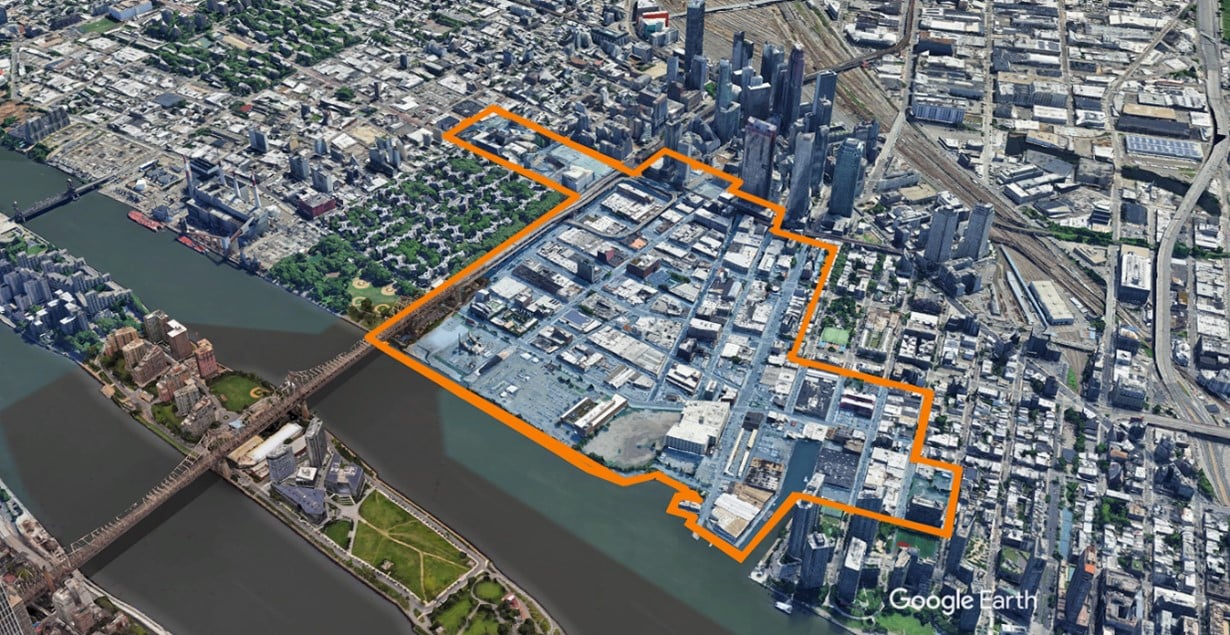
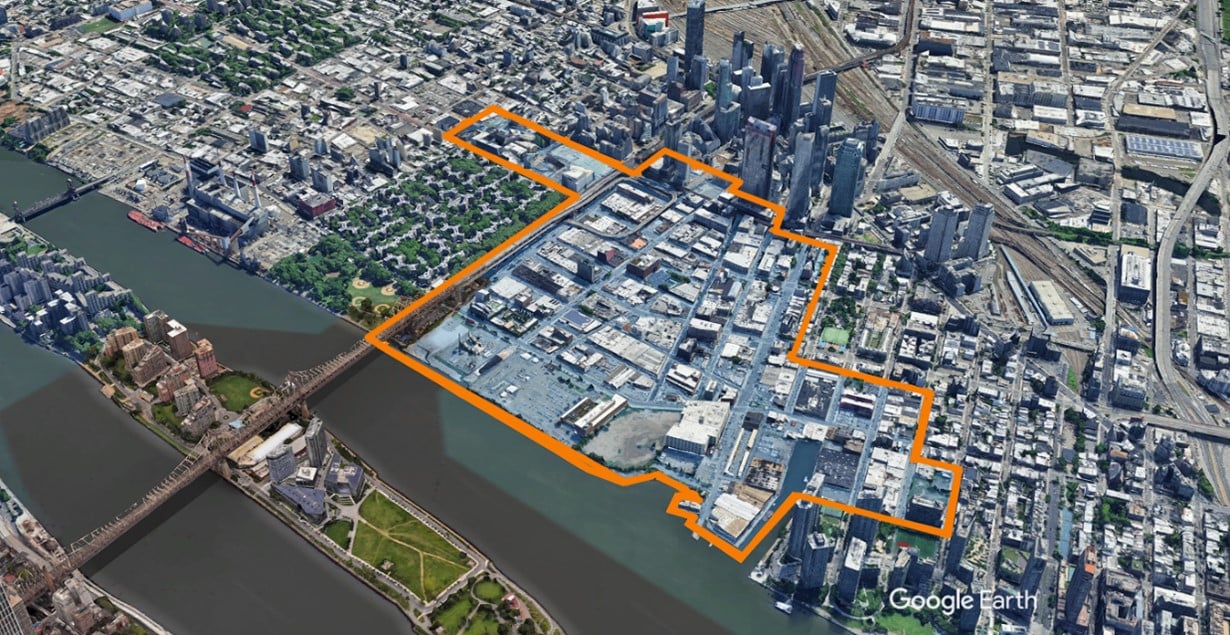
The OneLIC plan is a comprehensive rezoning covering approximately 54 city blocks in western LIC. New York City Council+2Curbed+2 It is the largest neighborhood rezoning in New York City in over two decades—specifically targeting housing, open space, infrastructure, and mixed-use development. Multi-Housing News+1
Unlike previous efforts in LIC that were driven by individual mega-developers or tech-campus proposals (e.g., the failed Amazon HQ2 effort), OneLIC emphasizes community-driven planning and includes significant commitments from the City to support long-term livability.
The rezoning sets a target of roughly 14,700 new housing units, including approximately 4,350 permanently income-restricted homes. Curbed+2New York City Council+2 Private developments falling under the city’s Mandatory Inclusionary Housing (MIH) framework will require 20-25% of units to be affordable, and the plan mandates only the deeper affordability tiers (40% & 60% of AMI) for private sites. New York City Council
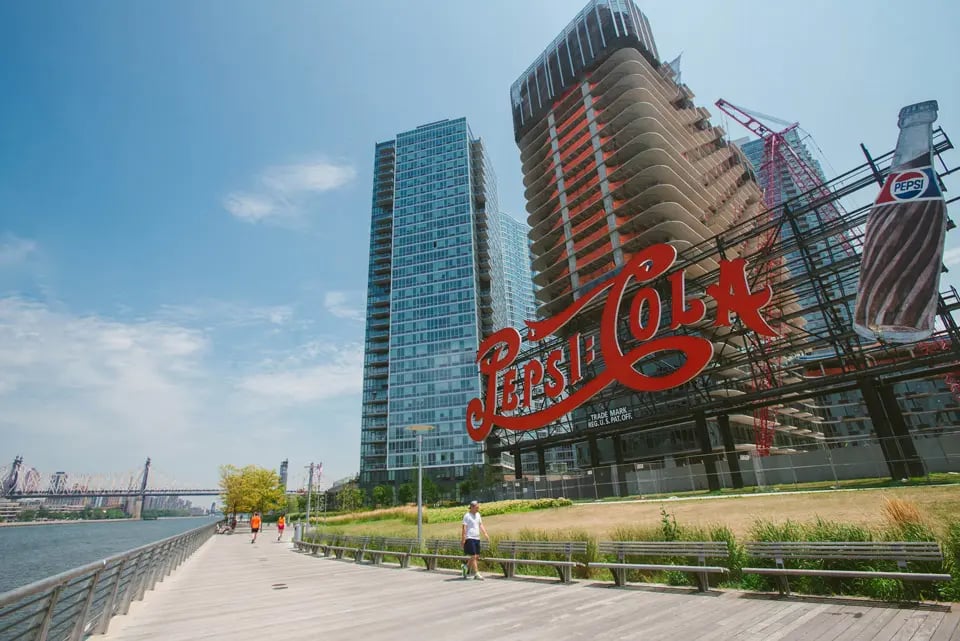
The plan includes nearly $1.9 billion in negotiated city investments for LIC, covering new school seats (1,300+), public housing (especially Queensbridge Houses), sewer/stormwater plumbing upgrades, new parks, and waterfront access. New York City Council+1 A major piece: creating contiguous waterfront esplanade access, restoring parkland beneath the Queensboro Bridge, and connecting Gantry Plaza State Park through to Queensbridge. New York City Council
Over 54 blocks, currently largely zoned for industrial or commercial use, will be re-zoned for higher-density residential and mixed-use, allowing light industrial, commercial, office, and large-scale residential development. Multi-Housing News+1 The rezoning is designed to merge residential growth with job space, open space, transit access, and waterfront connectivity. LicPlanunity-driven planning, including significant City commitments to support long-term livability.
With nearly 15,000 new housing units being enabled, LIC’s housing supply trajectory is set to change. On the one hand, greater supply may moderate pricing growth in some segments (especially mid-market units). On the other hand, new infrastructure, waterfront access, and high-amenity developments will support differential premium pricing on the “top tier” product.
For instance, buyers who might have entered the market without fully accounting for rising rents and limited family-sized units will now face competition from new-build depth. A recent report cited that LIC two-bedroom rents have jumped nearly 50% since 2010.
Thus:
Entry-level or mid-sized units may see moderated growth as more supply arrives.
High-end units (waterfront, panoramic views, large outdoor space) will continue to command premium pricing, but the gap between “premium” and “standard” products may widen.
Investors should watch timing slices: early-stage supply may generate value; later-stage supply may face more pricing pressure or longer absorption.
From an investment perspective, the rezoning means LIC will shift from “luxury spill-over from Manhattan” toward a more self-sustaining mixed-use Queens hub. For investors:
Developments with strong amenity delivery, outdoor/ waterfront space, and proximity to transit will be more durable in resale.
Resale of pre-rezoning product may face competition from newer supply, so the premium for proven buildings may compress slightly.
New developments offering affordability or incentives may attract investor interest; alignment with MIH and public-investment benefits will matter.
For owner-occupiers:
With infrastructure and amenities to improve (schools, parks, waterfront access), early buying in the rezoned zones can capture “first-wave uplift” before amenities fully deliver.
But risk: some parcels may take years to complete development and build the promised upgrades. Buyers must assess the pipeline and delivery timelines.
Pricing in LIC will increasingly reflect location quality, amenity delivery, layout, and outdoor space, rather than simply “because it’s near Manhattan.”
Sellers who bought in older stock might face competition from new products and should emphasise unique building features to retain pricing strength.
For Buyers (Owner-Occupiers):
Evaluate future amenity and infrastructure improvements when comparing neighborhoods. LIC zones slated for waterfront/esplanade improvements are likely to offer better upside.
Know your horizon if you plan to stay 5-10 years; areas impacted by OneLIC may become more attractive.
Recognize value segments: secondary locations within LIC may offer a lower entry price but may also face greater supply competition.
For Investors (Resale & Rental):
Target early-stage development with visible rezoning advantages. Existing high-amenity products may be more defensible when new supply enters the market.
Watch cap rates and absorption timelines. Greater supply means risk of slower lease-up in some segments.
Build in an understanding of incentives and MIH structure; newer supply might trade differently.
For Real-Estate Professionals:
Position your clients with the “future narrative” of LIC: not just where it is today, but where it’s going thanks to OneLIC.
Educate on timeline risk: rezoning approvals are secured, but actual construction, infrastructure delivery, and amenity rollout take years.
Help sellers set realistic expectations: older stock in secondary locations will face more pressure from new supply.
Use rezoning as a value driver in listings: highlight how public-investment and open-space improvements enhance livability and resale appeal.
The OneLIC Neighborhood Plan provides a clear roadmap for LIC’s next chapter, one built around housing scale, affordability, infrastructure, and mixed-use integration. For the NYC real estate market, it signals a shift: LIC is not only about cascading Manhattan overflow, but also about Queens realizing its full potential.
For buyers and investors who align their strategies with this shift, understand timing, differentiate quality, and focus on value rather than mere hype, the opportunities are real. But circumventing risk will require discipline, site-specific knowledge, and long-term thinking.
As an Associate Broker with deep NYC market experience, you can bring unique value to clients by interpreting these rezoning signals and helping them act smarter, not just faster.







Darrell Williams works in Manhattan, Brooklyn, Queens, and the Bronx. His expertise includes new development sales/leasing projects, investment sales, and 1st time home buyers. Whether you're purchasing or selling, he'll keep you feeling comfortable and confident from start to end.

Darrell Williams
Compass Headquarters 110 5th Ave 3rd floor New York, NY 10011