No, Wealthy New Yorkers Aren’t Fleeing the City:
December 4, 2025
December 4, 2025
For years, headlines have cried wolf about wealthy New Yorkers abandoning the city, fueling debates and inspiring real estate campaigns from Miami to the Hamptons. These stories, often tied to hot topics like politics and taxes, resurface regularly. They suggest a mass exodus threatening the stability of New York’s housing market. But behind these sensational headlines lies a flawed, data-distorting narrative. A closer look at the numbers, from sales activity to pricing trends and historical context, tells a very different story: New York City is not witnessing a mass departure of its high-net-worth residents.
Recently, some articles revived this myth, linking it to the hypothetical election of Zohran Mamdani as mayor. Citing a poll, headlines claimed that nearly a million New Yorkers would flee if he won. The truth? The poll surveyed 1,000 people; only 90 said they would "definitely" leave. That hypothetical was then extrapolated out, turning 90 survey responses into headlines about a million people leaving. The leap from 90 hypothetical departures to a million actual relocations (including selling homes, moving families, and changing schools) is enormous, yet headlines treated speculation as fact.
This isn’t an isolated event. The pattern is clear: individual quotes, opinion polls, and anecdotes are presented as market-moving evidence. It’s easier to amplify a fear-driven scenario than to analyze data. Publications hungry for clicks rarely pause to question whether the numbers add up. The result? Buyers, sellers, and even real estate professionals internalize the hype without digging into what the data actually shows.
To spot the truth, let's revisit a time when an actual exodus occurred in the early months of COVID-19. Then, about 420,000 residents temporarily left, Manhattan sales halved, rental vacancies soared, and prices dropped in many neighborhoods. That was a real and sudden shock, unmissable in every housing metric. Today, nothing similar is happening. High-end buyers are active, rental demand is strong, and price resilience is evident across Manhattan and Brooklyn. While some luxury listings linger longer on the market, that’s due to strategy and macroeconomic factors, not panic selling or political anxiety.
Far from panic, recent data indicate market stability, not flight. Condo sales in prime areas are steady; cash deals continue to define the luxury market, showing buyers are seeking value and holding onto New York as a safe-haven asset. Even in today’s higher-rate environment, high-net-worth individuals remain engaged in purchasing, investing, and diversifying without leaving en masse. Investor demand is also solid, backed by strong rental dynamics and ongoing corporate relocations.
Headlines often skip a crucial point: Wealthy residents are naturally mobile, with homes in multiple locations and flexibility built into their lives. But mobility does not equal exodus. A pied-à-terre in Miami or a ski house in Park City is about diversification, not abandonment. If every international homeowner’s travel were counted as a departure, every luxury market would seem to collapse. In fact, wealth diversification supports New York; it doesn’t signal decay.
Sensational narratives persist because they’re emotionally satisfying, especially in times of political change. The idea that the rich will flee whenever a progressive leader rises is recycled through every election cycle. Decades of evidence, however, show the reverse. New York’s wealth base has proved not only durable but growing. Fears of a political trigger causing mass migration fade when met with economic reality.
Much of the “wealth flight” myth is pushed by real estate marketing, suburban brokers, Florida developers, and relocation firms eager to capitalize on the urgency. Catchy claims like “our phones are ringing off the hook” create the sense of crisis they want buyers to believe. This isn't exactly deception; it's strategic marketing. The downside? Many mistake advertising language for market fundamentals.
Sellers should focus on smart pricing and property condition, not media hype. Buyers should evaluate neighborhood and supply trends instead of reacting to headlines. Investors should ground decisions in income and the regulatory context, not fear.
Anecdotes or hypothetical poll data don’t define a housing market. It’s clear from hard evidence, and the numbers show that New York is resilient, active, and evolving, not deserted.
New York attracts strong opinions, bold predictions, and media speculation like no other city. But it outlasts every fearful forecast. The reality? People with means continue to use New York as a launchpad for business, culture, and identity. Even when diversifying elsewhere, few permanently sever ties with a city that gives them unmatched leverage and opportunity.
Real estate journalism and marketing will keep chasing the next big headline. But to find what’s really happening, look to the data: New York’s market is stable, resilient, and still one of the world’s most compelling places to live, work, and invest.
Signed contracts for Manhattan homes priced at $4 million or more increased to 176 in November, marking a 25% rise from October’s 141 deals, according to recent data from brokerage Douglas Elliman and appraiser Miller Samuel. The report also noted that new signed contracts over $4 million grew at more than twice the overall market rate.
When it comes to New York City real estate, it’s easy to be distracted by the constant drumbeat of sensational headlines. But whether you’re a buyer, seller, investor, or homeowner, the fundamentals matter far more than any media panic. Here’s what really deserves your attention:
Focus on pricing strategy, property condition, and realistic expectations.
Don’t assume that wealthy buyers are vanishing just because the latest headline says so.
Evaluate the long-term stability of a neighborhood.
Consider supply dynamics and unit-level value.
Remember, market health isn’t dictated by political speculation.
Analyze core fundamentals such as income streams, rental demand, capital expenditure requirements, and the regulatory climate.
Avoid being swayed by fear-based narratives.
New York isn’t emptying. It’s evolving, recalibrating, and as always rewarding those who read its signals right. For anyone prepared to look past the noise, the city remains one of the most vibrant, compelling real estate markets in the world.
New York has always drawn bold predictions, strong opinions, and headline-driven speculation. Yet time and again, the city proves itself more durable than any narrative. The wealth base isn’t vanishing every time there’s a shift in the political winds. Instead, the long-term reality is that people with means continue to use the city as a center of opportunity, culture, and personal identity. They may expand elsewhere, but rarely do they fully sever ties with what gives them the most leverage and connectivity.



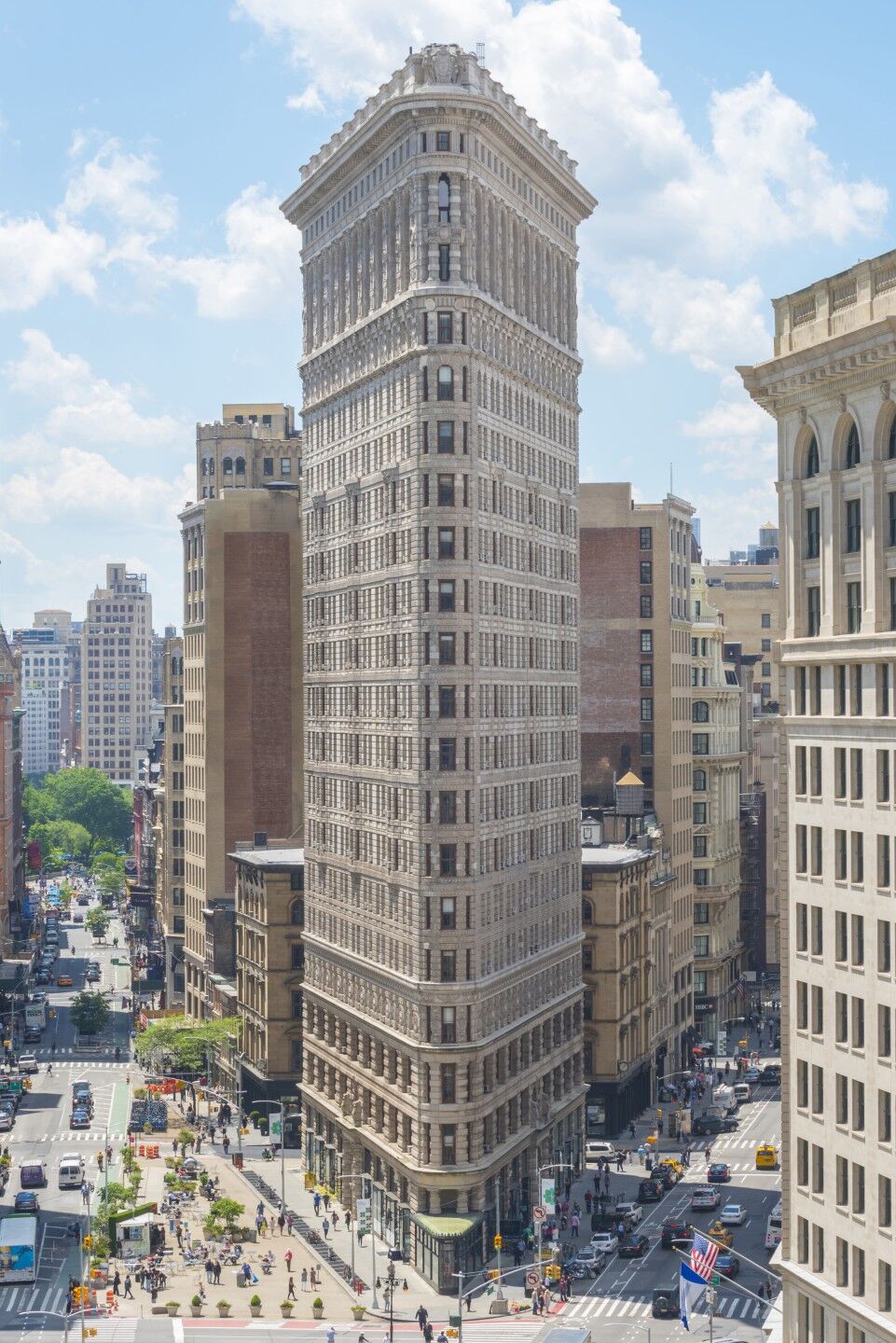
Everything You Need to Know About This Flatiron Luxury Condo Conversion
Darrell Williams works in Manhattan, Brooklyn, Queens, and the Bronx. His expertise includes new development sales/leasing projects, investment sales, and 1st time home buyers. Whether you're purchasing or selling, he'll keep you feeling comfortable and confident from start to end.

Darrell Williams
Compass Headquarters 110 5th Ave 3rd floor New York, NY 10011