Listing in January
January 1, 2026
January 1, 2026
New York City doesn’t behave like a suburban housing market. Buyers here are driven by job relocations, lease expirations, investment strategies, and international timelines, not just warmer weather.
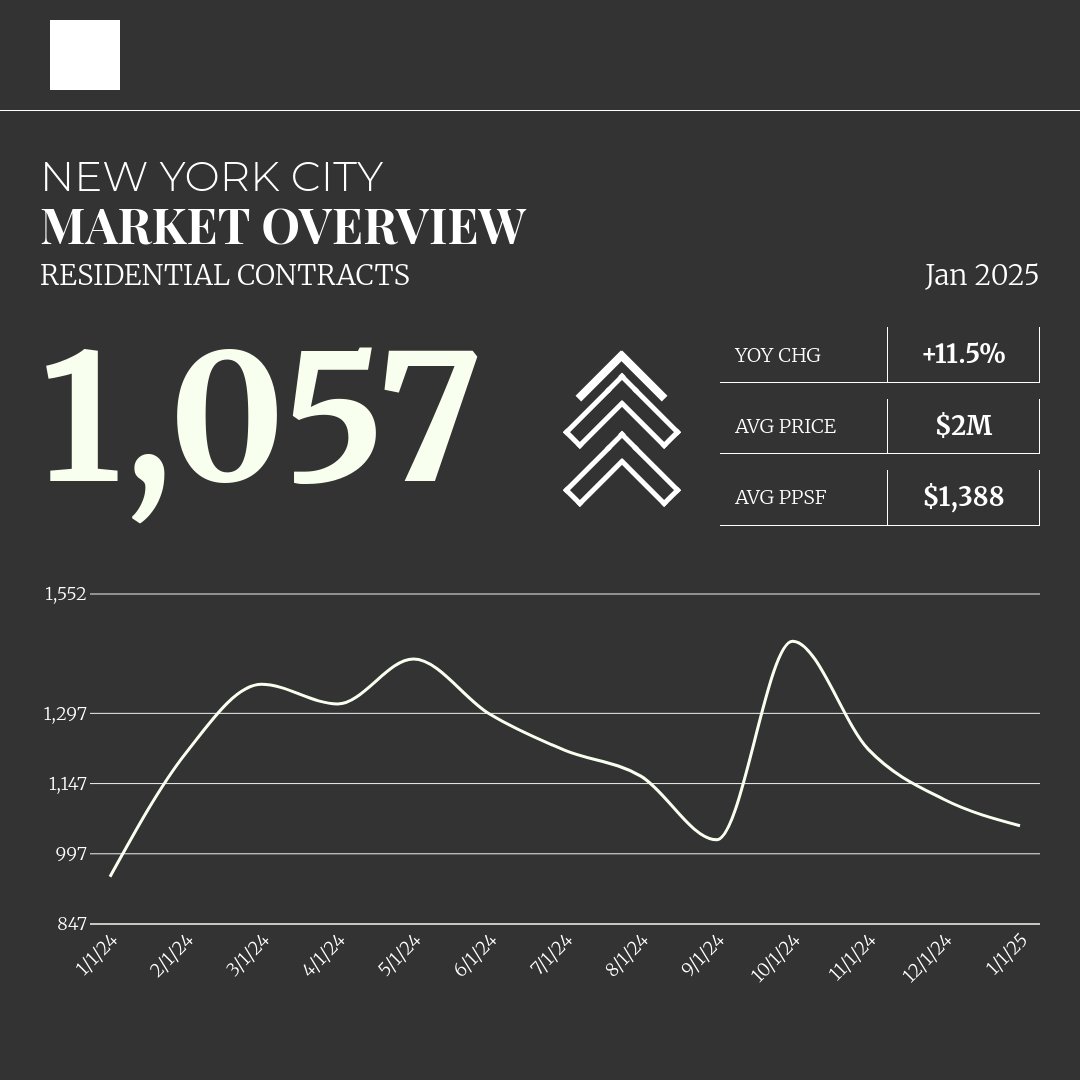
Data from organizations such as REBNY, StreetEasy, and Douglas Elliman consistently shows the same pattern: spring has higher transaction volume, but winter, especially January, often has stronger buyer intent.
That difference matters far more than most sellers expect.
January is not slow...it’s selective.
Inventory is typically lower because many sellers choose to wait. That means fewer competing listings and greater visibility for correctly priced properties. Buyers shopping in January are rarely casual. They’re often motivated by:
Expiring leases
Job relocations or new roles
Capital that needs to be deployed early in the year
Investment or tax planning decisions
A desire to avoid spring bidding fatigue
These buyers aren’t browsing StreetEasy for fun. They’re comparing options, analyzing value, and making decisions.
In my experience, January works especially well for certain property types and seller goals.
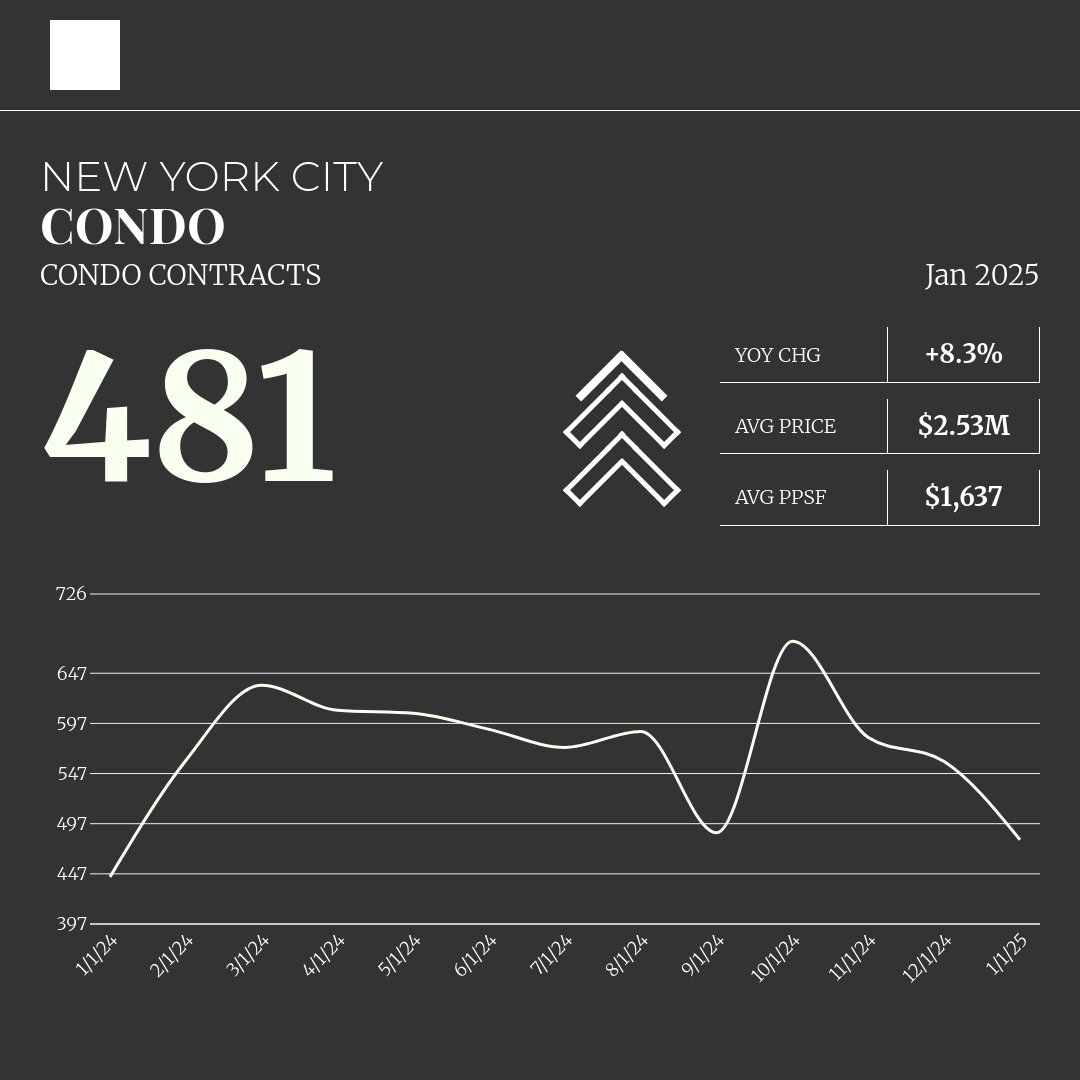
Condos, particularly newer developments and sponsor units, tend to perform well year-round. January buyers often include relocation clients and international purchasers who operate on timelines unrelated to seasons. With less competition, these listings can stand out more than they would in April or May.
January is an active month for investors. Capital allocation, portfolio planning, and tax considerations all come into play early in the year. Clean financials, realistic pricing, and clear positioning matter more than seasonal aesthetics, and that favors winter listings.
If timing matters due to an estate sale, divorce, or job relocation, January buyers tend to be more decisive. Negotiations are often cleaner, and deals move forward with less emotional back-and-forth.
January isn’t right for every property.
Homes aimed primarily at families, such as townhouses or larger apartments, often perform better in spring and early summer, when buyers want to align moves with school calendars. Similarly, properties that rely heavily on outdoor space or lifestyle appeal may photograph and show better once daylight hours increase.
That doesn’t mean these homes can’t sell in January. It simply means strategy and expectations need to be calibrated accordingly.
If there’s one thing January does not forgive, it’s overpricing.
Winter buyers are highly informed. With fewer listings on the market, they are acutely aware of value, days on market, and price reductions. Listings that miss the mark early tend to sit, and sitting in January can create unnecessary leverage for buyers.
When a property is priced correctly, however, January listings often:
Spend fewer days on the market
Receive cleaner offers with fewer contingencies
Avoid multiple price reductions
Maintain stronger negotiating positions
January rewards accuracy, not optimism.
Spring does bring more buyers, but it also brings more listings. Increased inventory means more competition, more comparison, and often more buyer hesitation.
Many spring listings end up chasing the market after missing early momentum. I’ve seen January listings sell smoothly while spring listings struggle to stand out or require price adjustments.
More activity doesn’t automatically mean better results.
The most persistent myth in NYC real estate is that there’s a universally “best” month to sell.
In practice, the best time to list depends on:
What your property is competing against right now
How accurately it’s priced relative to current listings
Who is the most likely buyer is
Whether you value certainty or maximum exposure
January is often ideal if you want:
Serious, motivated buyers
Less listing competition
Cleaner negotiations
More predictable outcomes
Spring may make sense if you want:
Maximum exposure
Emotional bidding potential
Greater flexibility on timing
Neither approach is inherently better. The advantage goes to sellers who understand how their property fits into the current market, not last year’s headlines.
New York City real estate doesn’t slow down in winter; it narrows its focus. January is not a dead month; it’s a strategic one. For the right property, priced and positioned correctly, listing in January can be a smart and deliberate decision.
The real question isn’t whether it’s winter or spring. It’s whether your property is positioned correctly for the buyers who are active today.







Darrell Williams works in Manhattan, Brooklyn, Queens, and the Bronx. His expertise includes new development sales/leasing projects, investment sales, and 1st time home buyers. Whether you're purchasing or selling, he'll keep you feeling comfortable and confident from start to end.

Darrell Williams
Compass Headquarters 110 5th Ave 3rd floor New York, NY 10011