March-June the Most Profitable Time to Sell in NYC
Darrell Williams January 25, 2026
Darrell Williams January 25, 2026
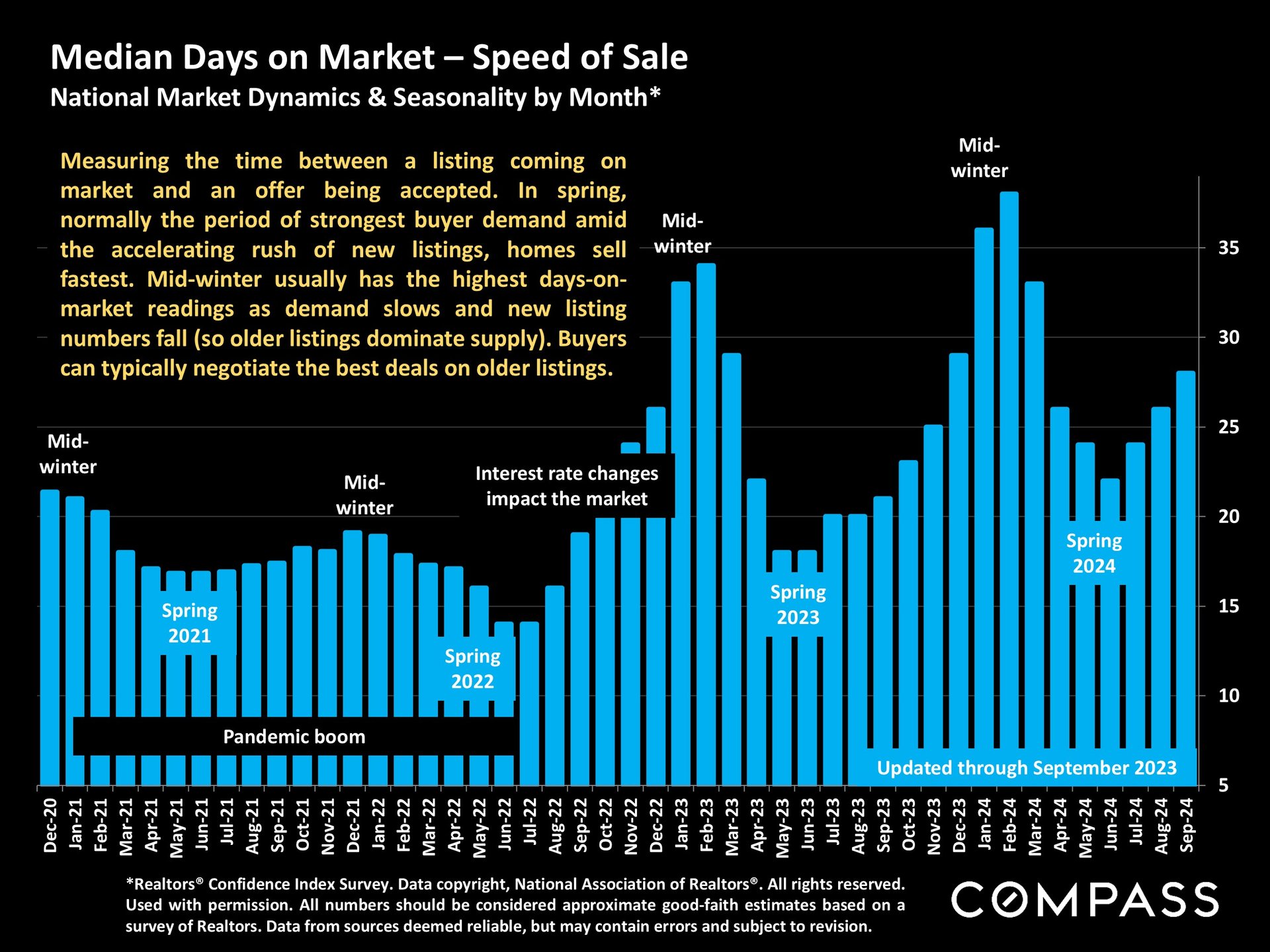
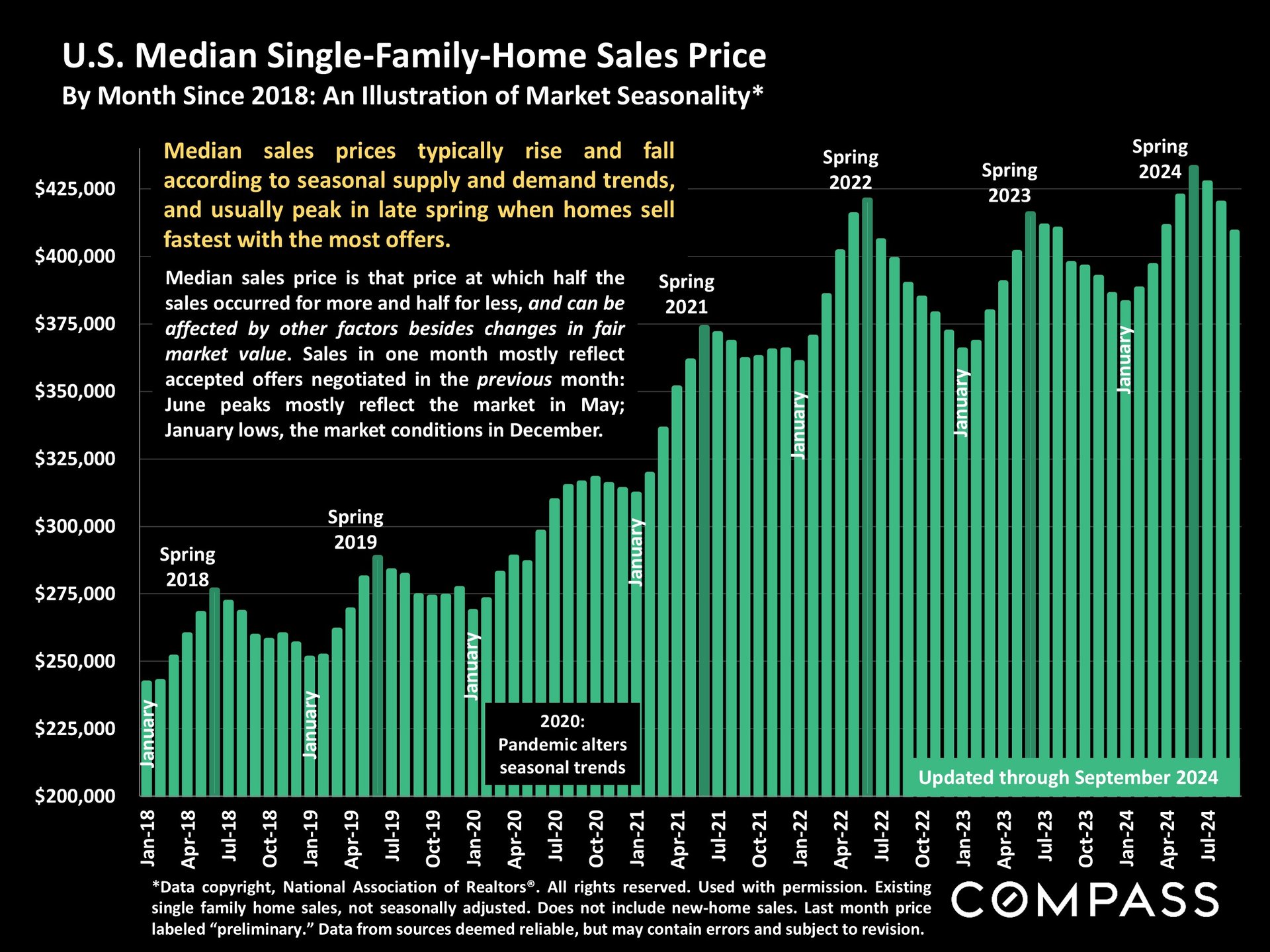
If you're thinking about selling property in New York City, consider this: Spring sellers net 4.3% more on average compared to other seasons. Timing can significantly impact your final sale price, days on market, and negotiating power. While NYC is technically a year-round market, March through June consistently stands out as the most profitable window for sellers when leveraged correctly, depending on the property itself.
This period aligns buyer demand, lifestyle timing, and market psychology, often resulting in higher offers, faster sales, and stronger competition. Below is a detailed breakdown of why spring to early summer is so powerful in NYC real estate, the data behind it, and why results still depend on property type, location, and pricing strategy.
Between March and June, NYC experiences a surge in buyer activity. This isn't just casual browsing, it's driven by life timing:
Families planning moves before the next school year
Renters whose leases end in late spring or summer
Buyers receiving annual bonuses (often paid Q1)
Relocations tied to corporate transfers and job changes
More buyers = more competition, and competition is what drives prices upward.
Historically, NYC listing activity increases in spring, but buyer demand tends to rise faster than inventory, especially for well-priced apartments and townhouses. This imbalance often creates a bidding war, fueling a competitive environment that can drive up sale prices.
Multiple-offer scenarios
Reduced contingencies
Stronger negotiating leverage for sellers
Why?
Buyers feel urgency as inventory tightens.
Listings look better in natural light.
Appraisals benefit from stronger comparable sales.
Even a 2–5% seasonal pricing difference can translate to tens or hundreds of thousands of dollars in NYC, especially in Manhattan and Brooklyn. For instance, a 3% increase on a $3 million condo means an additional $90,000 in the seller's pocket. A quick calculation like this helps skeptical luxury sellers visualize the potential gain from selling during this profitable time frame.
A condo that may trade at $1.85M in February could realistically achieve $1.95M–$2.0M in May under the right conditions.
That delta is often driven by:
Increased foot traffic
Emotional buying decisions
Competitive bidding environments
Real estate is emotional, and spring improves presentation in ways that directly impact value.
Longer daylight hours for showings
Better natural light in apartments
Greenery, trees, and curb appeal for townhouses
Outdoor spaces (balconies, terraces, gardens) become major selling points
Buyers are far more likely to stretch their budgets when a property feels right, and spring amplifies that emotional response.
This is especially critical in NYC, where:
Light exposure is a premium feature
Outdoor space can dramatically change buyer perception
Properties listed between March and June tend to:
Spend fewer days on the market
Require fewer price adjustments
Receive stronger initial offers
This is crucial because the first 30 days on the market are the most powerful. A well-priced spring listing often sells before buyers have time to negotiate aggressively.
By contrast, listings that linger into summer or fall can:
Signal overpricing
Lose urgency
Invite low offers
Spring isn't just about numbers; it's about mindset.
Buyers in March to June are often:
Highly motivated
Time-sensitive
Emotionally invested
They're thinking:
"If I don't act now, I'll lose this property."
"Inventory will get tighter."
"Rates or prices could rise."
That psychology leads to:
Cleaner offers
Shorter negotiation timelines
Fewer deal fall-throughs
While March to June is statistically favorable, profitability always depends on the property.
Pricing strategy (overpricing can kill spring momentum)
Condition and layout
Building financials and policies
Location and neighborhood demand
Property type (co-op vs condo vs townhouse)
For example:
A turnkey condo with outdoor space may outperform expectations
A dated co-op with restrictive rules may struggle even in peak season
A luxury property may follow a different cycle than entry-level homes
Typically benefit the most from spring demand
Broader buyer pool (domestic + international)
Faster approvals = quicker closings
Still benefit from spring, but pricing and buyer quality matter more
Best results when marketed to highly qualified buyers early
Spring showcases outdoor space and light
Families and end-users drive competition
Macro factors like:
Mortgage rates
New development inventory
Economic confidence
can amplify or soften seasonal trends.
However, even in slower years, spring remains the strongest relative selling window because:
Buyer attention is closest
Inventory quality improves
Market participation expands
March through June offers NYC sellers peak buyer demand, stronger pricing power, faster transactions, and better presentation conditions. However, the most profitable outcomes happen when timing is paired with accurate pricing, strategic marketing, and property-specific positioning. There is no universal best time that overrides fundamentals, but spring gives well-prepared sellers the strongest possible advantage. If you're considering selling in NYC, the real question isn't just when to list, it's how to position your specific property to win when demand is at its peak.







Darrell Williams works in Manhattan, Brooklyn, Queens, and the Bronx. His expertise includes new development sales/leasing projects, investment sales, and 1st time home buyers. Whether you're purchasing or selling, he'll keep you feeling comfortable and confident from start to end.

Darrell Williams
Compass Headquarters 110 5th Ave 3rd floor New York, NY 10011