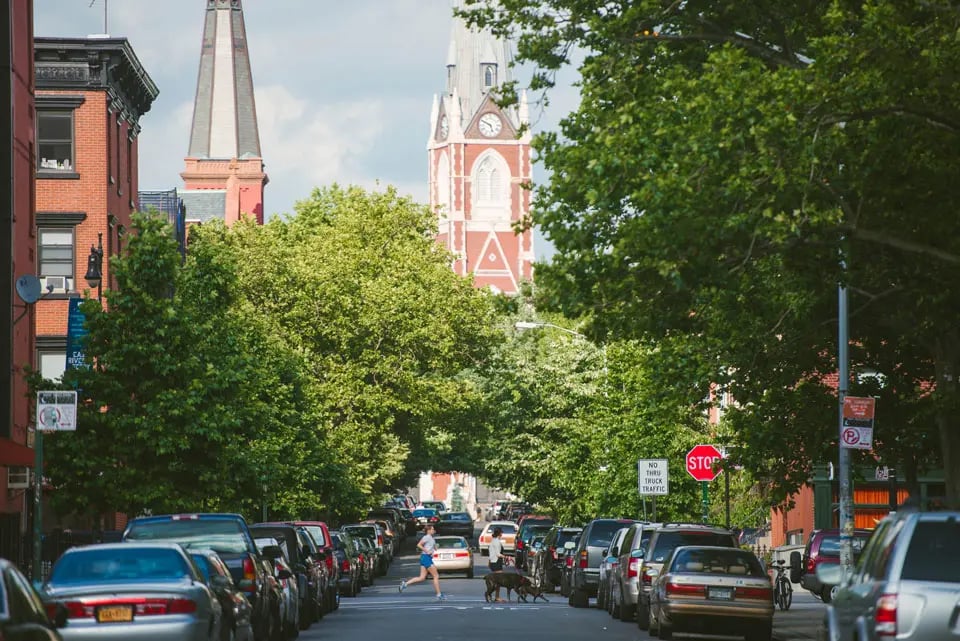
Greenpoint Condo Or Townhouse: How To Decide
July 16, 2026
July 16, 2026
If you’re home shopping in Greenpoint, Brooklyn, you may find yourself choosing between two very different paths that can both look appealing on paper. One listing may offer a sleek condo with shared management and a more turnkey feel, while another may offer a townhouse-style home with a more house-like setup and different long-term responsibilities. The right fit usually comes down to how you want to live, what costs you want to manage month to month, and how comfortable you are with property upkeep. Let’s dive in.
Greenpoint is one of those Brooklyn neighborhoods where older housing stock and newer development coexist. According to a New York City Planning neighborhood profile, the area had more than 17,800 dwelling units across almost 4,200 buildings, with most residential buildings containing five or more units and a large majority of housing built before 1938.
That mix matters when you start your search. In Greenpoint, it is common to compare a newer condo, a condo created from an older building, and a townhouse-style property within the same budget conversation.
Recent data for the broader Greenpoint/Williamsburg area also shows continued housing growth from 2010 to 2025, with 27,675 new housing units added during that period. In 2024, the homeownership rate was 16.6%, which helps explain why condo inventory remains such an important part of the market.
Greenpoint’s built environment also reflects zoning changes and historic preservation. Some areas support newer multifamily and waterfront residential development, while designated historic areas include well-preserved 19th-century frame, brick, and stone buildings. That combination is a big reason you can tour a contemporary condo one day and a classic townhouse the next.
Before you compare finishes and layouts, it helps to understand the ownership structure. In New York, a condominium means you own your individual unit and also hold an undivided interest in the building’s common elements.
That structure comes with shared rules and shared costs. Unit owners pay common charges, follow the declaration and bylaws, and handle certain maintenance, repair, and insurance responsibilities separate from the board’s obligations.
A townhouse can feel more like traditional homeownership, but the legal setup still matters. In some townhouse-style developments, a homeowners association may manage common property, collect dues, and enforce rules tied to shared features and maintenance.
So the real question is not just which property type sounds better. It is how the ownership structure will shape your everyday experience, your budget, and your control over the property.
A condo often appeals to buyers who want a more predictable shared-building system. If you prefer having common areas and major building functions managed through a board or property management structure, a condo may feel easier to navigate.
That does not mean condo ownership is hands-off. You still need to review the rules carefully, understand what the board controls, and know what maintenance and insurance fall on you as the owner.
In Greenpoint, condos can vary widely because the neighborhood includes both new construction and converted older buildings. A new-build condo may have clearer sponsor obligations regarding the building, amenities, and ancillary spaces, while a conversion may require closer review of disclosures about the building's condition.
For many buyers, the benefits are convenience and budget clarity. Common charges can make monthly costs easier to map out, even though they are only one part of the total ownership picture.
A townhouse often fits buyers who want a more house-like rhythm to daily life. You may have a stronger sense of separation from neighbors, different access to outdoor areas, and more direct involvement with the property itself.
That said, townhouse ownership is not automatically free of rules or shared obligations. If the property is part of an HOA-style development, the association may manage common elements and set standards tied to maintenance or use.
You may also have more responsibility for exterior conditions and site features. In townhouse-type developments, buyers are advised to review the offering plan details for features such as roads, sidewalks, drainage systems, and retaining walls.
In Greenpoint, that matters because the neighborhood includes older homes, adapted buildings, and properties shaped by historic district rules in some areas. If a townhouse is located in the Greenpoint Historic District, exterior changes may be regulated by the Landmarks Preservation Commission.
Many buyers start this comparison with one big question: Which option gives me more outdoor space and privacy? The answer depends less on the property label and more on the documents.
In a condo, roof decks, cabanas, terraces, parking, and other ancillary spaces should be described in the offering plan. In a townhouse-style development, shared or semi-shared site elements should also be clearly explained.
That means you should avoid assumptions based on listing language alone. In Greenpoint, where properties can range from modern waterfront condos to older townhouse-style homes, the exact terms of yard, roof, terrace, or common-area use matter more than the headline.
Price is only the starting point. When you compare a Greenpoint condo and a townhouse, you want to look at the full carrying cost rather than just the purchase price.
For condos, New York regulations require disclosure of projected monthly common charges, projected real estate taxes, and projected total carrying charges for the first year of operation. Offering plans also explain how common charges and assessments are established, how reserves may be accumulated, and how repair responsibility is divided.
That makes condo budgeting easier to model, but it also means the monthly payment is only part of the story. Rules on alterations, leasing, use, and occupancy can affect how flexible the property feels over time.
Townhouse buyers should be just as careful. Lower visible dues do not always mean lower total ownership cost, especially if an HOA still has a budget for shared features or if the home may need more direct upkeep.
In Greenpoint, the paperwork can tell you more than the finishes. The New York Attorney General advises buyers to read the offering plan carefully, especially for existing conversions, and to review board minutes and recent financial reports for clues about major building work.
As you compare options, pay close attention to:
This is where an analytical approach can save you money and stress. A lower monthly number is not always the better deal if the building or property has deferred maintenance or limited flexibility.
A condo in Greenpoint often makes sense if you want a more turnkey lifestyle, a clearer shared-management structure, and easier-to-forecast monthly costs. That can be especially appealing if you are considering new development or a well-documented conversion.
A townhouse often makes sense if you want a more house-like feel, potentially more direct outdoor access, and more day-to-day control over the property. In exchange, you may take on a more hands-on ownership experience and need to think more carefully about exterior conditions, HOA terms, or landmark-related limitations.
For most buyers, the best question is not whether condos are better than townhouses, or vice versa. The better question is which option best matches your lifestyle, risk tolerance, renovation goals, and real monthly cost over the next several years.
In a neighborhood like Greenpoint, that kind of clarity matters. The housing stock is varied, the ownership structures are not always simple, and the smartest decision usually comes from reading beyond the listing and understanding how the property will actually work for you.
If you’re weighing a condo against a townhouse in Greenpoint, Darrell can help you compare the numbers, review the trade-offs, and move forward with confidence. To get started, schedule a consultation with Darrell Williams.

10 Frauds & Red Flags

Can it be solved?

Why It Could Backfire
Hells Kitchen, Manhattan

And What It Means for You)


And Why People Buy Them Anyway

Reshaping The Future
Brooklyn
Darrell Williams works in Manhattan, Brooklyn, Queens, and the Bronx. His expertise includes new development sales/leasing projects, investment sales, and 1st time home buyers. Whether you're purchasing or selling, he'll keep you feeling comfortable and confident from start to end.

Darrell Williams
Compass Headquarters 110 5th Ave 3rd floor New York, NY 10011