Real Estate Commission
September 10, 2025
September 10, 2025
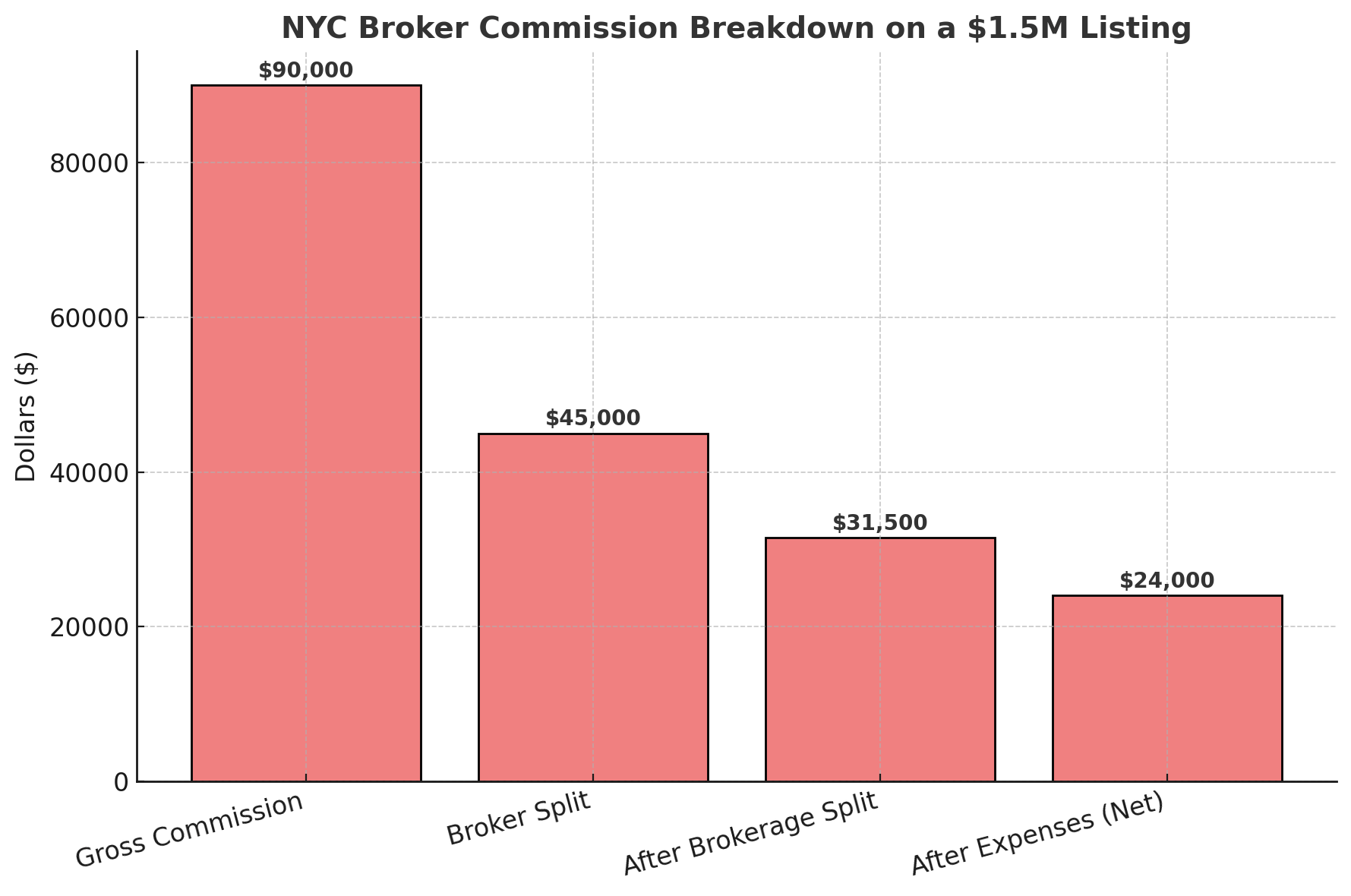
At first glance, people assume that being a New York City real estate broker is a lucrative business. After all, a $1.5 million condo listed at a 6% commission means a $90,000 paycheck, right? Well, that's what is shown on TV.
The reality is much more nuanced. Brokers don’t pocket that entire sum. Between splits with their brokerage, licensing and membership dues, marketing costs, and the time it takes actually to close a deal, their net income looks very different from what is shown on HGTV or Netflix.
Unlike salaried jobs, brokers work 100% on commission, meaning no paycheck unless a deal closes.
To legally work as a broker or salesperson in NYC, there are ongoing costs every year:
Annual fixed cost: Easily $3,000–$5,000 before selling a single property.
Brokers typically front the money for marketing a property, whether it sells or not. For a condo listed at $1.5M, here’s a realistic spend:
Total marketing outlay: $6,000 – $15,000 upfront.
And remember: if the listing doesn’t sell, the broker eats those costs.
Using our $1.5M condo example with a 6% commission:
So, that “$90,000 commission” quickly shrinks to something closer to a mid-level corporate bonus earned only after months of work and risk.
Selling in NYC is rarely fast. The average days on market in Manhattan was 182 days!
Total time per deal: 4–9 months.
During this time, the broker isn’t guaranteed a paycheck, and they’re juggling multiple deals at once.
The commission system in NYC isn’t just payment for opening doors. It compensates brokers for:
For a $1.5M listing, the final take-home for the broker may end up closer to $20K spread across many months of effort, often after paying taxes and reinvesting into future listings.
While commissions can look large on paper, the reality is that brokers shoulder significant costs, risk, and time. After marketing spend, brokerage splits, and months of effort, their net earnings are far smaller than most people think.
In fact, for many brokers, it’s not just a job, it’s running a small business, with all the expenses, risk, and hustle that come with it.
Sources:


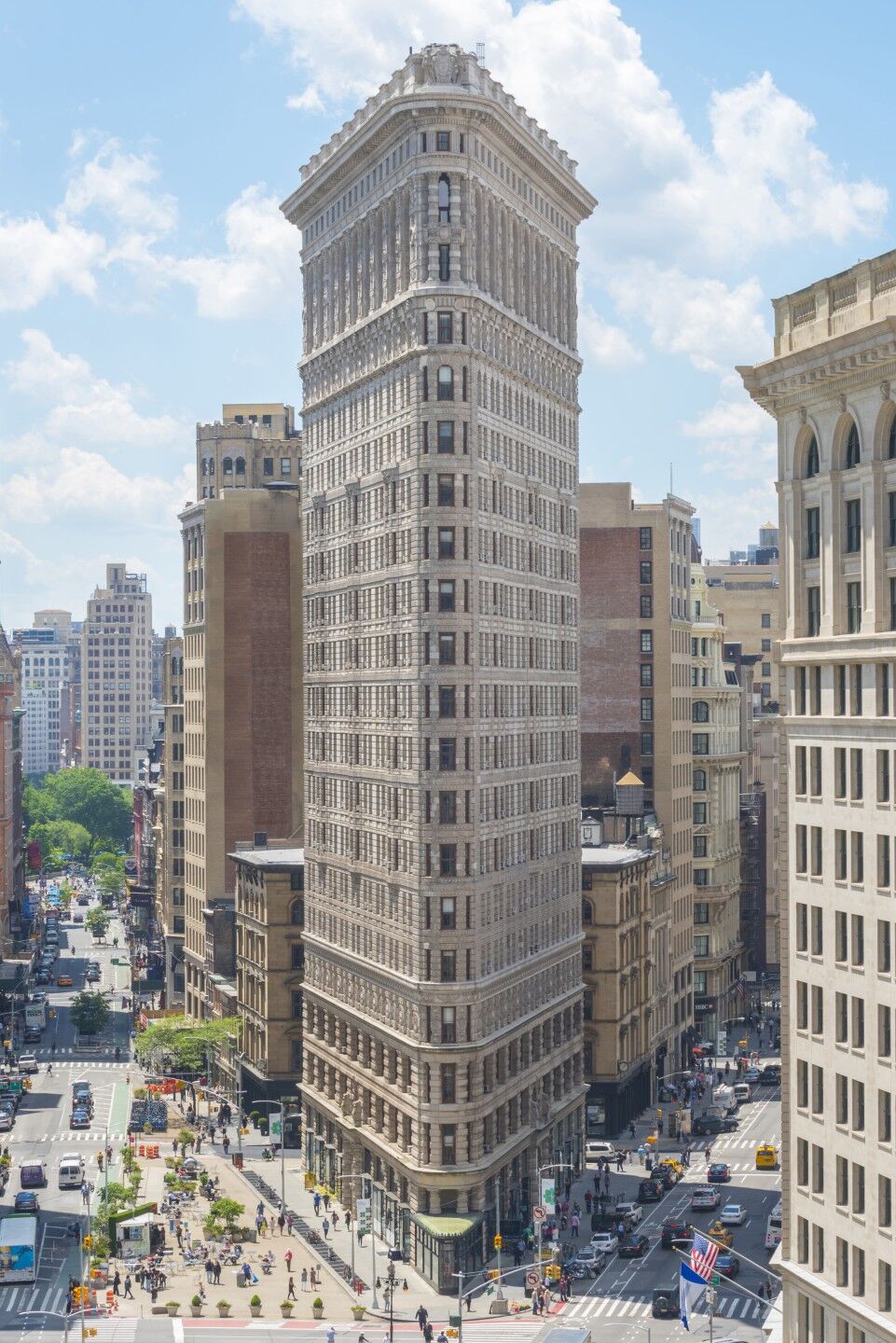
Everything You Need to Know About This Flatiron Luxury Condo Conversion


10 Frauds & Red Flags

Can it be solved?

Why It Could Backfire
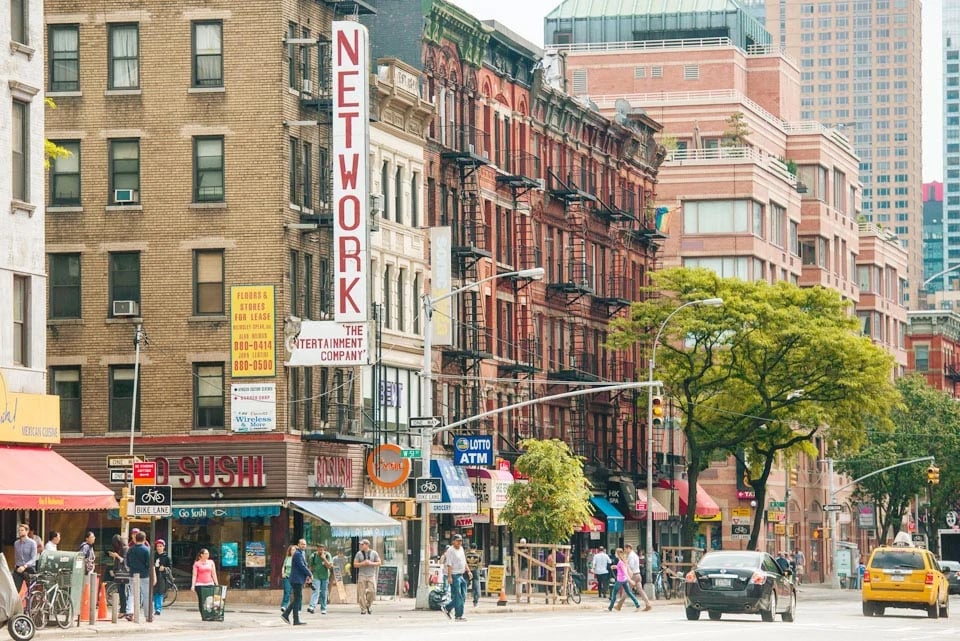
Hells Kitchen, Manhattan
Darrell Williams works in Manhattan, Brooklyn, Queens, and the Bronx. His expertise includes new development sales/leasing projects, investment sales, and 1st time home buyers. Whether you're purchasing or selling, he'll keep you feeling comfortable and confident from start to end.

Darrell Williams
Compass Headquarters 110 5th Ave 3rd floor New York, NY 10011